South to Sebastian

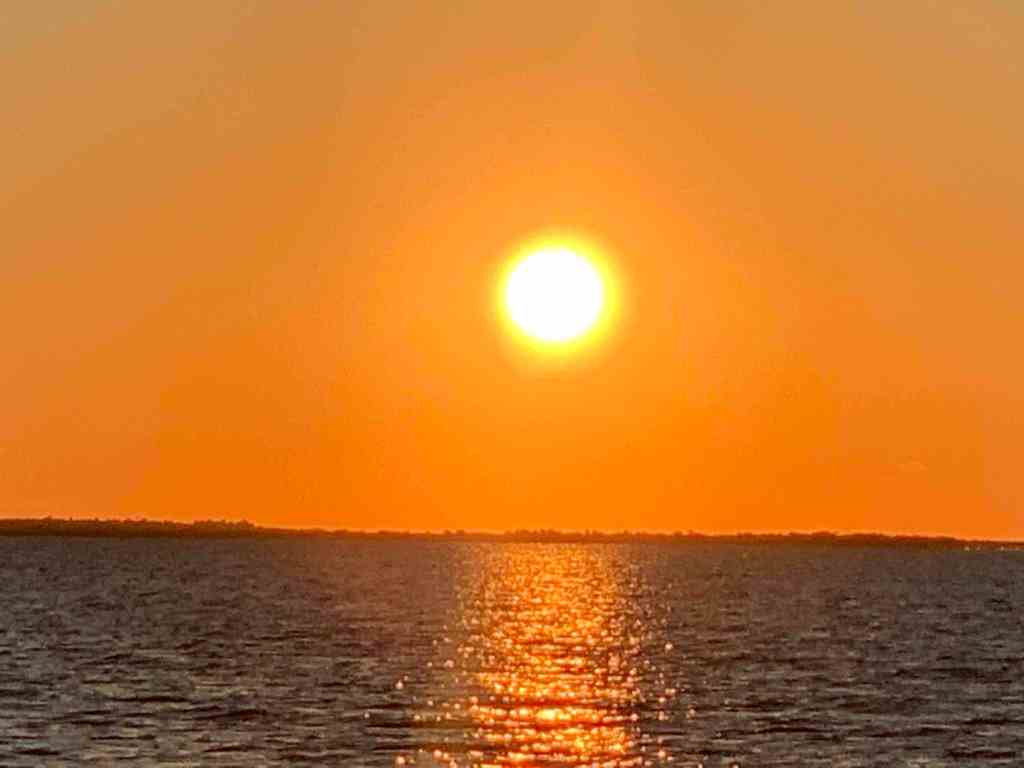
When the sun arose the next morning it treated us to an orange sunrise over Mosquito Lagoon.

“Because the sun is low on the horizon, sunlight passes through more air at sunset and sunrise than during the day, when the sun is higher in the sky. More atmosphere means more molecules to scatter the violet and blue light away from your eyes. … This is why sunsets are often yellow, orange, and red.”
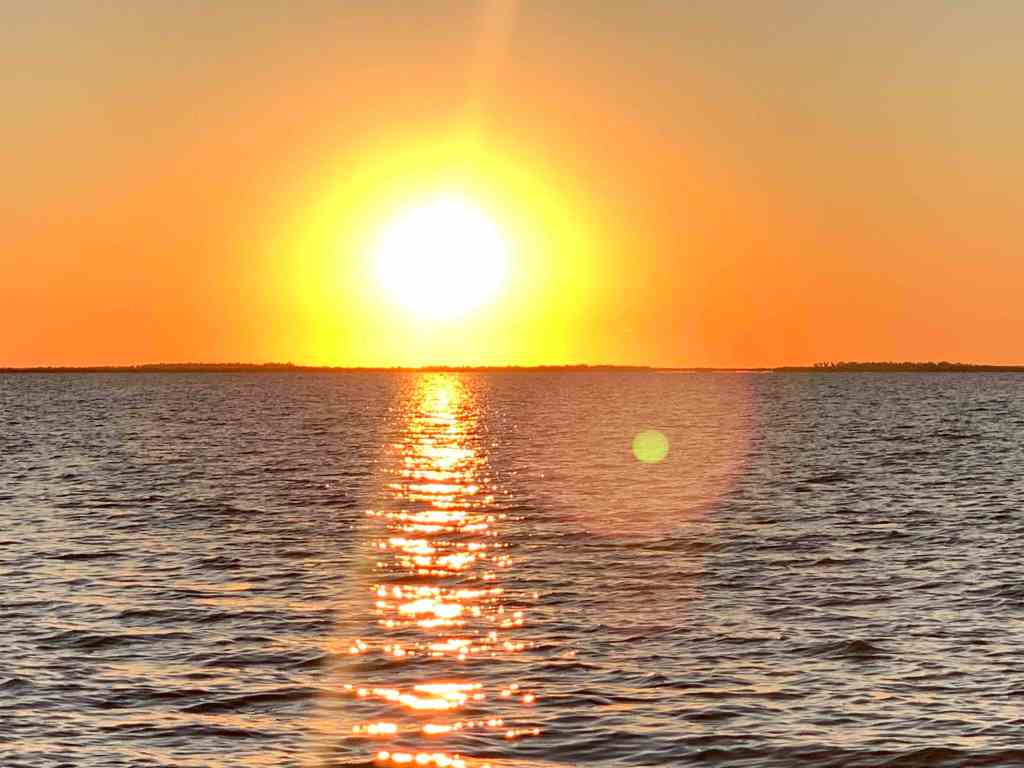
Going under the Cocoa bridge – Look up & around and you’ll find workers trying to get right with the world again.

…”The Cocoa Bridge gives male inmates an opportunity to get their lives back on track. The foundation of the program is the Therapeutic Community Concepts, which are essential to maintaining a drug-free lifestyle in social contexts. With clinical supervision, this peer-led, peer-driven environment encourages the men to become active participants in their recovery.”

Bridges of America, Inc.
Cocoa Bridge

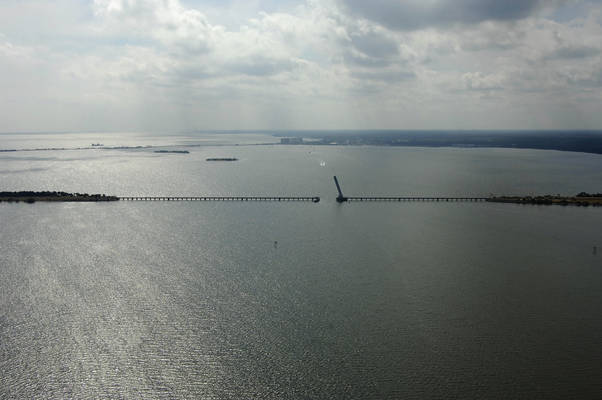
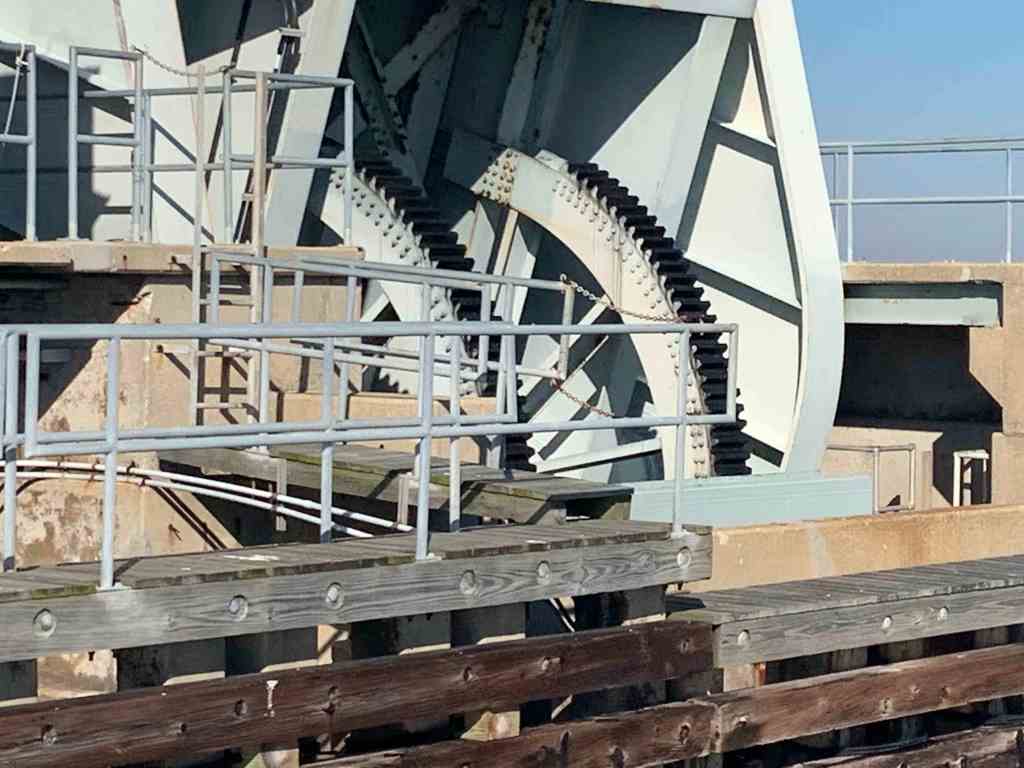
…”The NASA RR bridge is normally left in the open position, except in the case of approaching rail traffic (infrequent). This bridge is the main thoroughfare for shuttling heavy equipment and supplies to and from the JFK Space Center. Spent solid rocket boosters, rocket frames and other various material for the space program are normally shipped on rail and pass over this bridge.”

ActiveCaptain.com
This boat has a super bright light bar atop of it’s hardtop. Heck it was not even that dark out and that light bar was blinding when they were coming straight at us for a moment. I like the idea of having more lights on MV Simple Life. There are some nights when traveling in the pitch black that it would be a big help. I tend to only put my searchlight on for brief moments to not affect my night vision. Maybe I’ll install something smaller under the bow pulpit for lighting the crab/lobster pots at night without destroying my night vision?

Light Bar

I just love sunsets & stars every night on the boat. Too bad I can’t photograph or video the latter.
Our day’s journey took us from Mosquito Lagoon to Sebastion, FL.
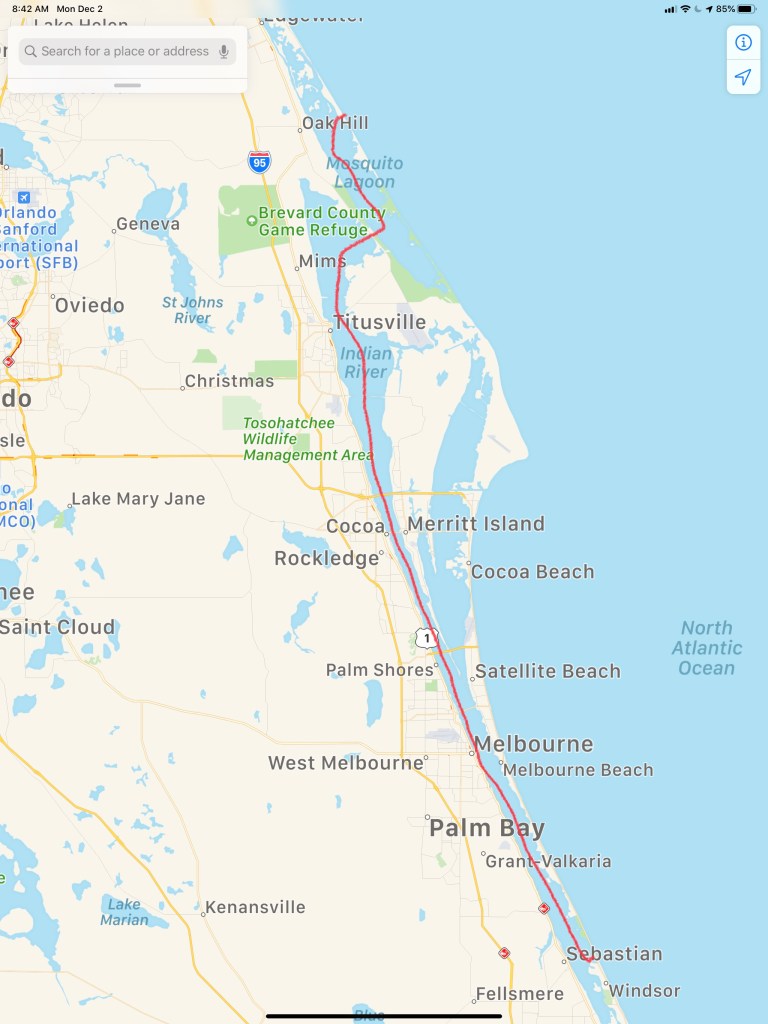
Sebastian has a great live music scene. With visiting bands like, Mumford and Son’s and Joe Bonamassa. If we were not trying to get somewhere near an airport, we’d definitely have gone ashore for some live music.

Instead, we spent the night on anchor just inside of Sebastian inlet near coconut point.
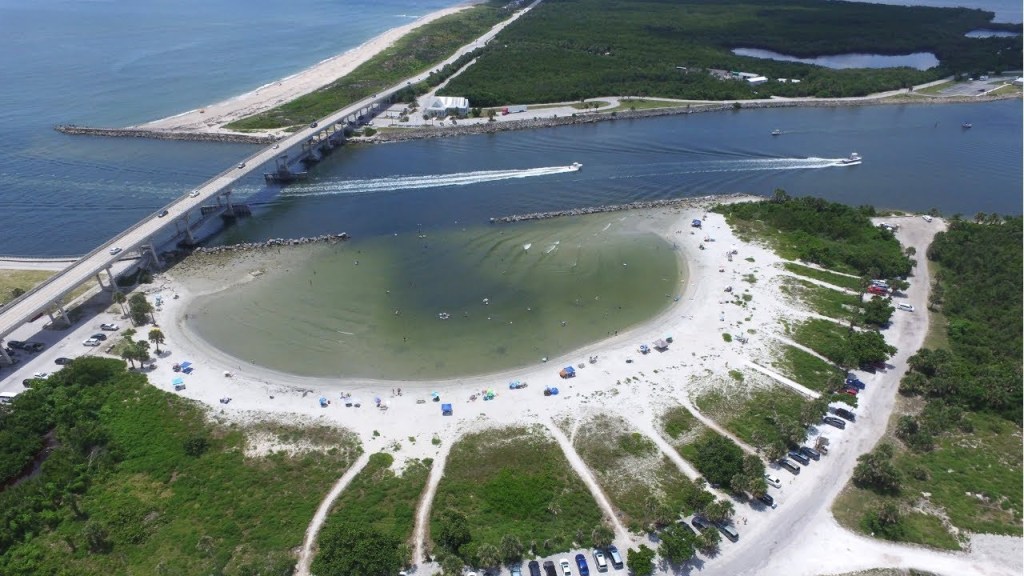
Sebastian Inlet & State Park

…”Sebastian Inlet is 36.5 miles southward of Cape Canaveral Light. In May 1983, there was a reported controlling depth of 5 feet. It is further reported that the velocity of the tidal currents reaches 10 knots, and turbulence exists between the bridge and the end of the jetties. Anchoring east of the bridge is extremely hazardous, particularly by the stern. Except during flat calms, breaking and confused seas exist off the mouth of the inlet and inside the inlet as far as the bridge. Conditions worsen with increasing seas or winds and on an ebb tide. Small boats departing the inlet on a flood or slack tide can find it impossible to return on an ebb tide.”

By the morning, we had spun around with the Sebastian Inlet’s incoming and outgoing tide

Port Jefferson Long Island – in the Dark

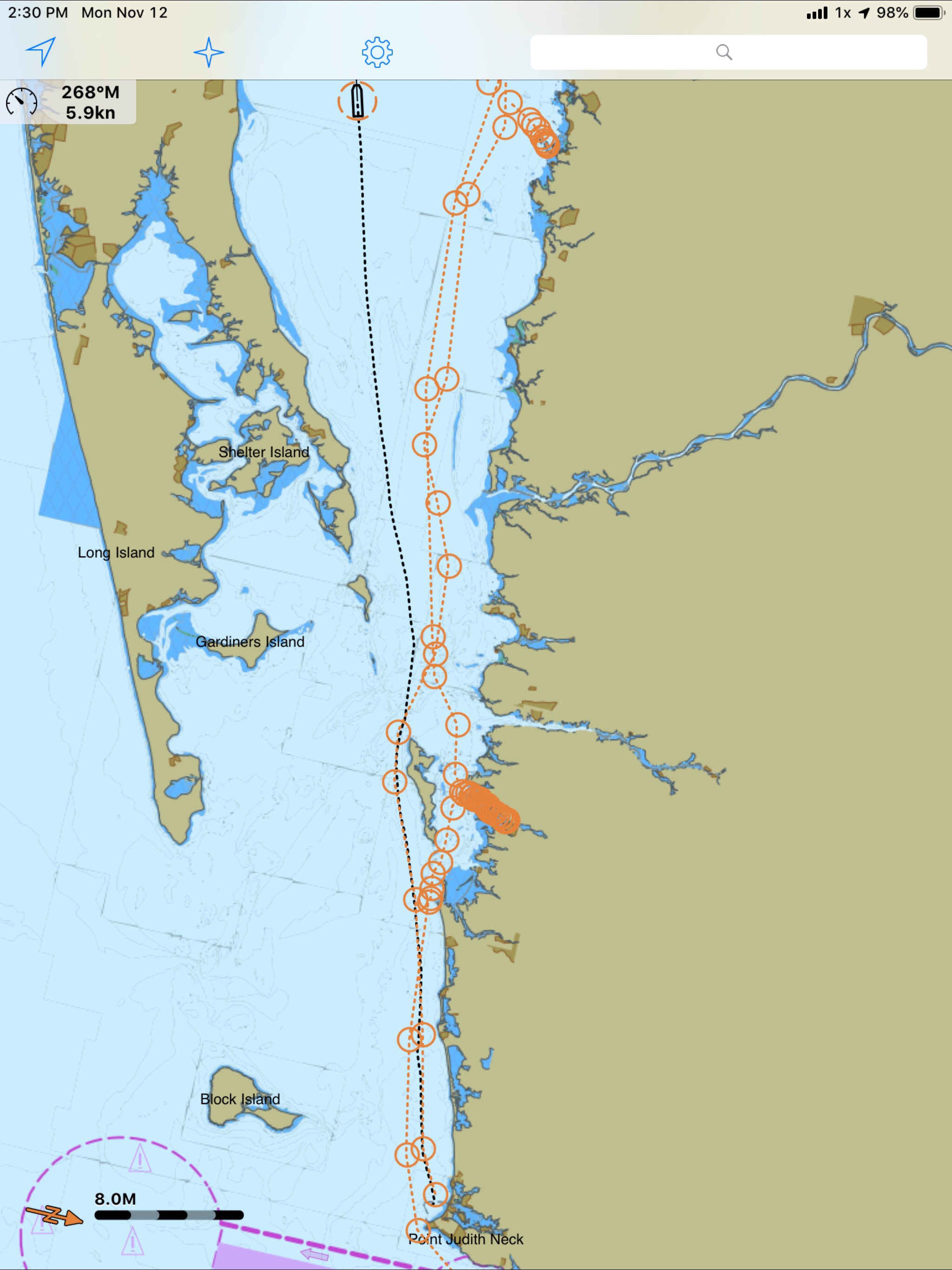
We left Point Judith just before sunrise.

Along the way the sun came up in the East and since we were heading due West it was directly on our stern.

The boat was running great and it was time to drop the throttle to the pins and see what she’ll run at. I had hoped that she would reach WOT of 2800 but alas we only hit 2700. Proof that the boat is running a bit heavy and we may need to re-pitch the prop in the Spring. I almost did it this Fall but with the moving the ballast around I figured she may run a bit different at WoT (Wide Open Throttle).

2700 RPM ain’t 2800 and maybe re-pitching the prop will fix that.

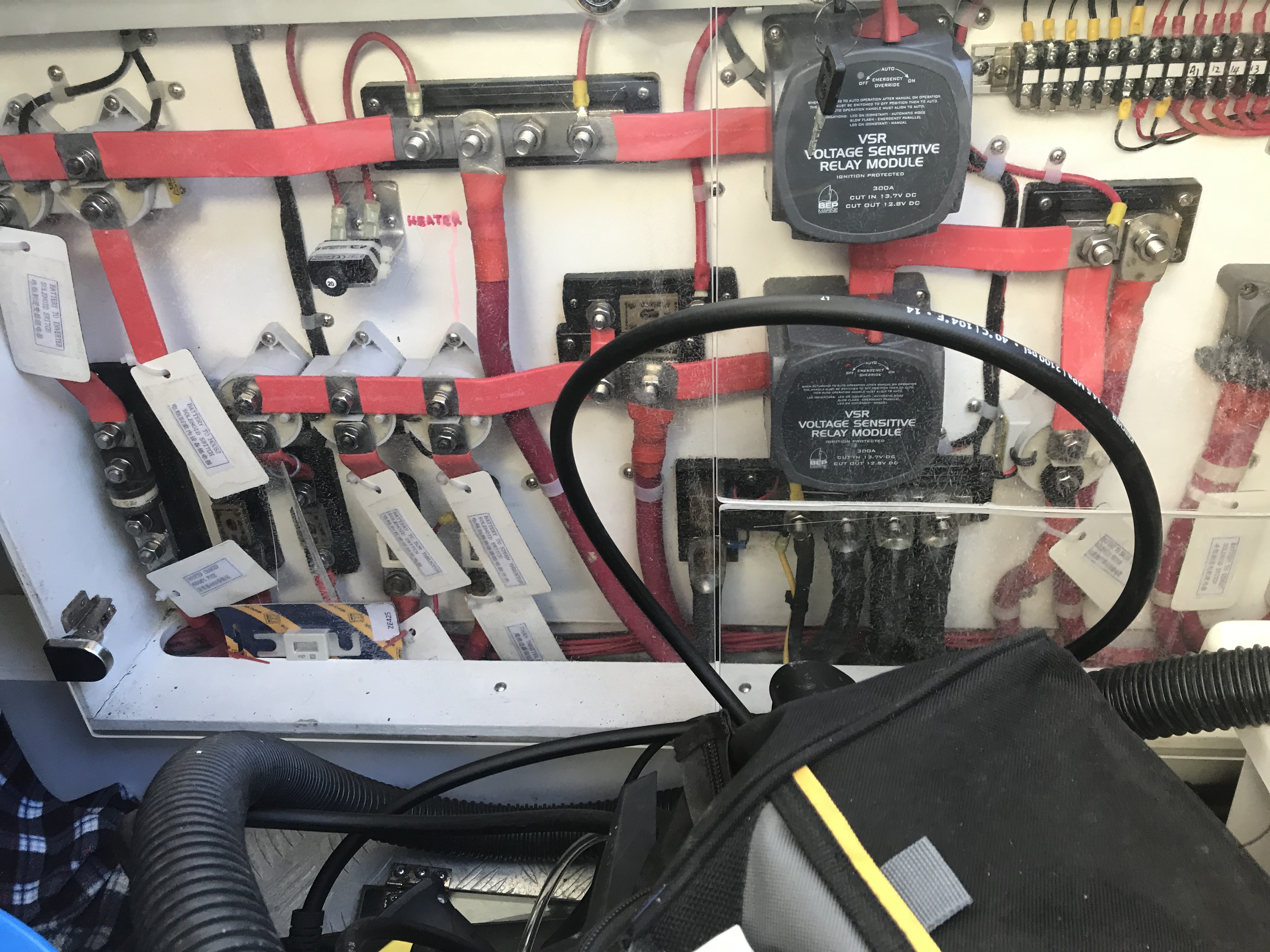
Along the way we got a “low voltage” alarm at the helm and after troubleshooting it it turned out to be the VSR (Voltage Sensititive Relay) that was not working properly. When you have a boat with 3 battery banks and 2 charging methods (alternator on the diesel & shore power battery charger) you need a VSR that combine the battery banks when there is a charging source (above 13V) and something that disconects the battery bank from the others when it drops below 12V. By isolating the battery bank you prevent all the battery banks from being depleted while allowing a single or multiple sources to charge all the battery banks at once.

Cockpit lazarette power panel. Two VSRs and 3 battery banks.

Anyway.. long story short our VSR was not combining the battery banks and I could use a manual override to force the diesel alternator to charge not just the single 8D battery for the diesel but also the Qnty 3 8D AGM (Acid Gas Mat) house batteries.

By the way. I just replaced those batteries at 160lbs a piece. I needed to be a bit younger. I’m not as strong as I was….

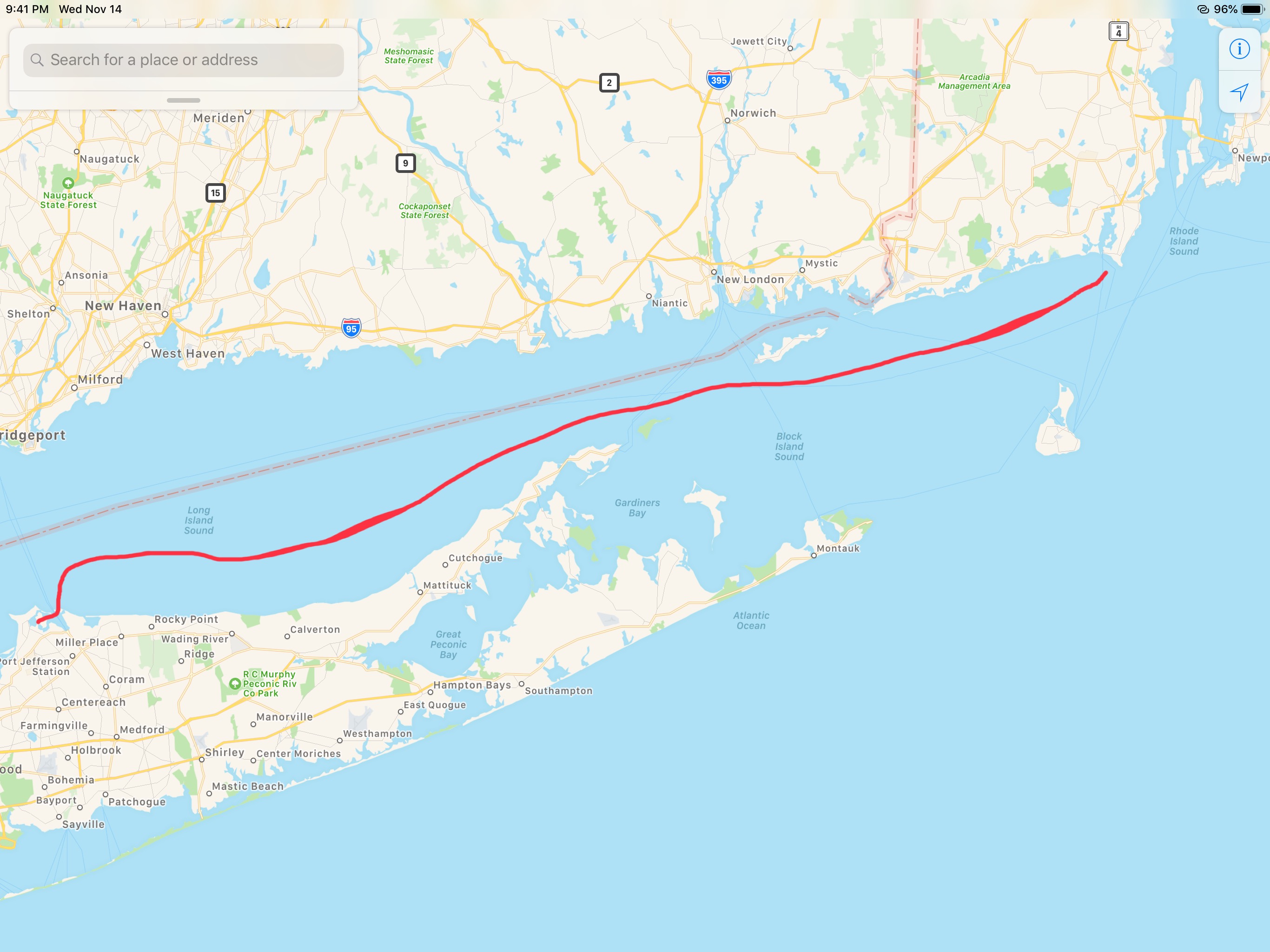
W02L02 (Winter 02, Leg 002) looked something like this…

OK that does not include our nighttime arrival into Port Jefferson, NY (in Long Island).

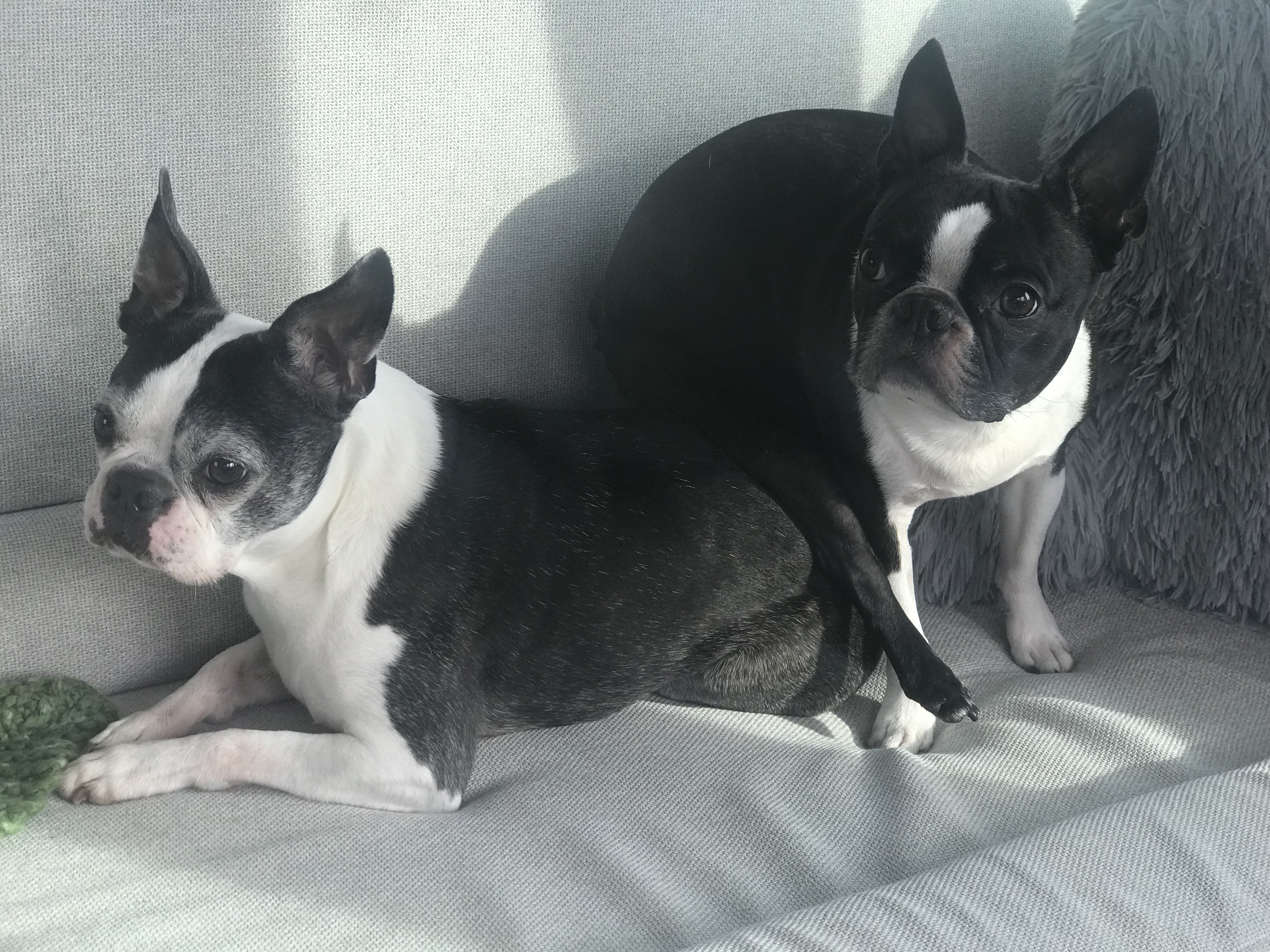
Even funnier were the dogs. They get nervous when the sea starts to get rough. That said the sea state was smooth but they were just out of practice. Chief Martin Brody was a bit nervous so by sitting on his big sister makes him relax. I’m not sure Happy agrees with this …

That’s all for tonight… I’ve been following the weather and it’s forcing us to run 12 hours days into the night to stay ahead of the NorEasters that are bringing high winds and heavy seas. We just need to get South down the Jersey coast before the Gale Force Wind warnings that are so commonplace during a NE winter…

We are anchored until sunrise @6:38AM on Tuesday. Until then.. this is our view of Port Jefferson..

W02L002 – Leg #2 From Point Judith, RI to Port Jefferson, NY

Chincoteague Island, VA – Where are the Ponies?

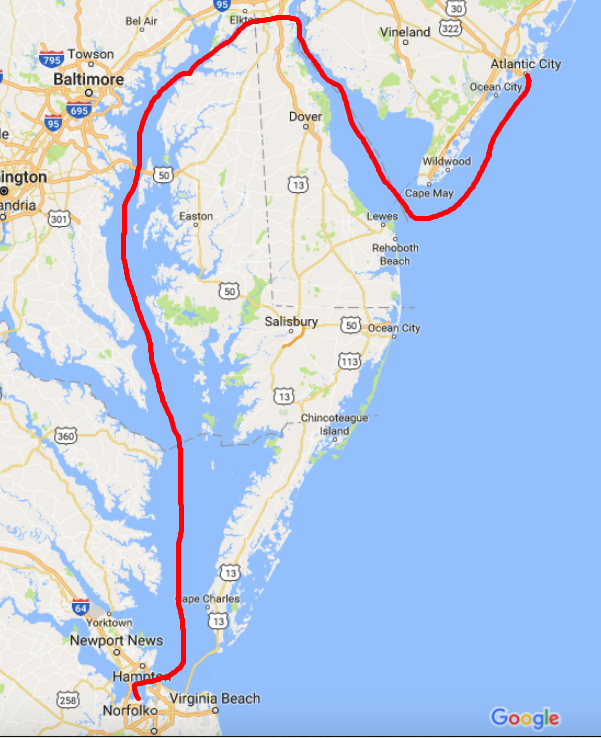
We awoke around 4AM this morning and I began pouring over the charts until I felt comfortable that we could safely make the passage down the outside passage to Norfolk, VA in 4 separate legs. By staying outside we will save days if not a week of traveling inside through the Chesapeake. While we would like nothing more than to spend months exploring all the great places in Chesapeake Bay, right now we could go for some Key West sunshine.

The other day we left Atlantic City and motored past the mouth of Delaware bay, I just could not bear to make a starboard turn and head up the Delaware Bay. This would mean heading North rather that South. In order to take the inside passage you must first run North up the Delaware Bay till you get to the C&D canal that connects the head of Delaware bay with the head of Chesapeake Bay. Once in Chesapeake Bay you again start heading South. It’s quite a bit longer than simply staying outside in the Atlantic Ocean.  It’s also more work for the captain, who must stay vigilant to avoid other boat traffic as well as steer around lobster pots. Nobody likes getting a lobster pot line wrapped around their propeller. We installed a “shark” pot cutter in front of our propeller to hopefully chop any lines that tangle in our propeller.

shaft shark
“Shark” Pot Cutter in Front of Propeller (Similar to MV Simple Life’s Setup)

Inside Passage Map
Inside Passage – Up Delaware Bay, Through C&D Canal and down Chesapeake Bay

4 legs map
Outside Passage – 4 Legs, 2 Anchorages

The more we studied the few inlets along the outside passage, the more we realized that many of them were possibly full of shoals and shallows to be worth trying to enter. There were some that if we did enter the inlet, it was clear that once inside it we could easily run aground due to the shallows that abounded. It was also very evident to us that our 2012 electronic charts no longer match the current depths and shoal locations. I use the charts as a “guide” but keep a close eye out for breaking waves where a new shoal may have formed due to recent storm activity.

We arrived at Chincoteague Island sometime around 1PM. The journey here was pretty uneventful. We saw only one other boat and it was a large sport fishing yacht moving at twice our speed South down the coast.  We studied the charts and found a nice spot to drop hook, close to the shore. MV Simple life has a 90 lb. Rocna, plow style anchor and 300′ of 3/8″ chain. I let out almost 120′ which was a ridiculous amount of scope (“anchor scope” is a ratio like 7 to 1: length of chain compared to depth of water). If we were in a crowded anchorage we’d never be able to let out that much scope as when the wind changed direction we’d swing into other boats. Along this coast there is not another boat in sight. After the anchor hooked up I applied some throttle in reverse (+200 above idle, or 800 RPM) which combined with the strong wind, buried the anchor. The extra throttle  lifted the chain straight out of the water with no bounce. We believe you should always “back down” on your anchor and watch to see if the chain jumps up/down which is a clear indication that the anchor is dragging along the bottom. This can happen for many reasons but some possible causes can be the seabed could have eel grass that stops the anchor from “digging in” or the bottom might not be sandy but instead a super soft silt that is like pushing a potato chip through whip cream instead of thick cheese. Better to have your anchor drag while you’re backing down on it than when the wind picks up in the middle of the night and you are fast asleep.

Chinoteague map
Red X is Where we Anchored – Off Wallops Island. Chincoteague outlined in Red

After reading about the wild ponies on Chincoteague Island, I made up my mind to use the crane and drop the dinghy in the water to go find them ponies. I had no sooner raced off on the dinghy before I thought.. I’m freezing & I’m zipping along over the shallow shore and could easily run aground at full speed and wind up taking a dip in the cold Atlantic. So I put a lifejacket on and turned around and made it back to the Simple Life. DAMN, NO PONIES!!!

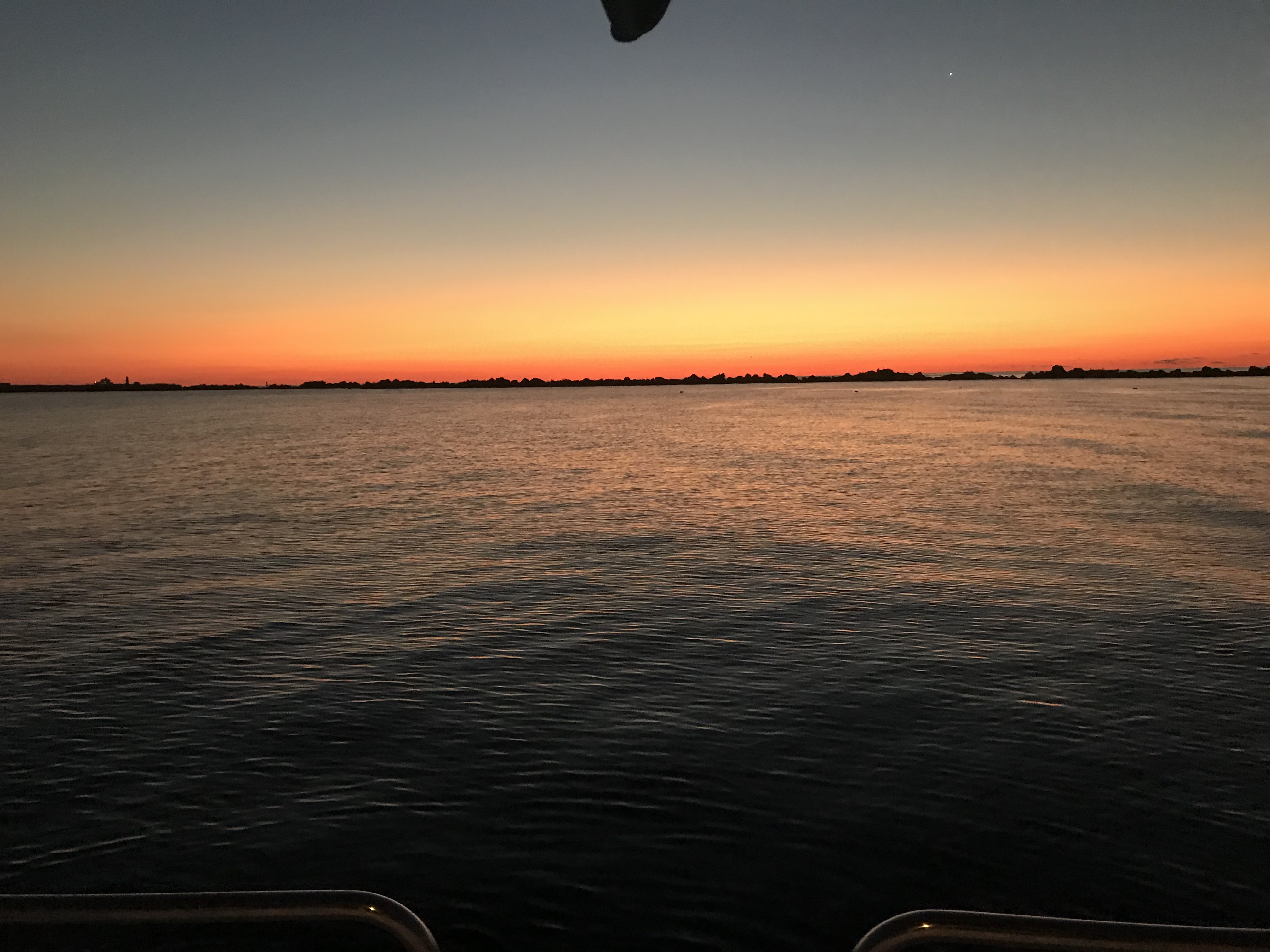
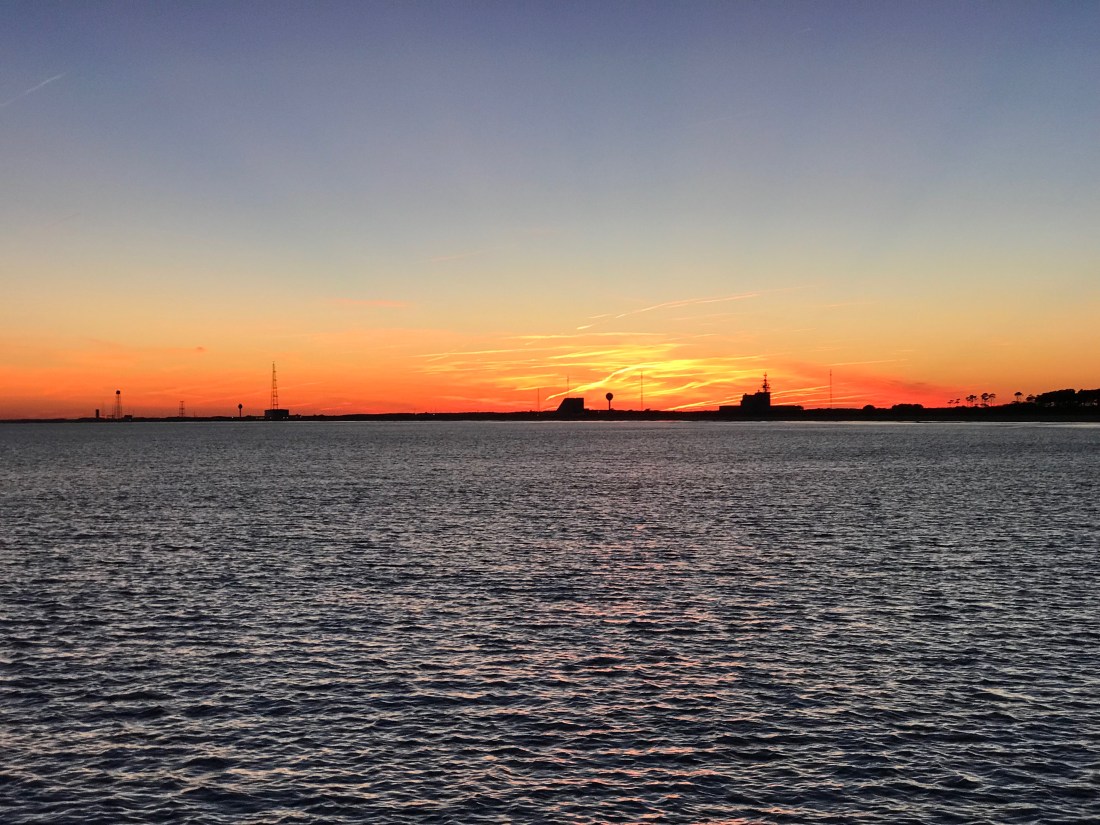
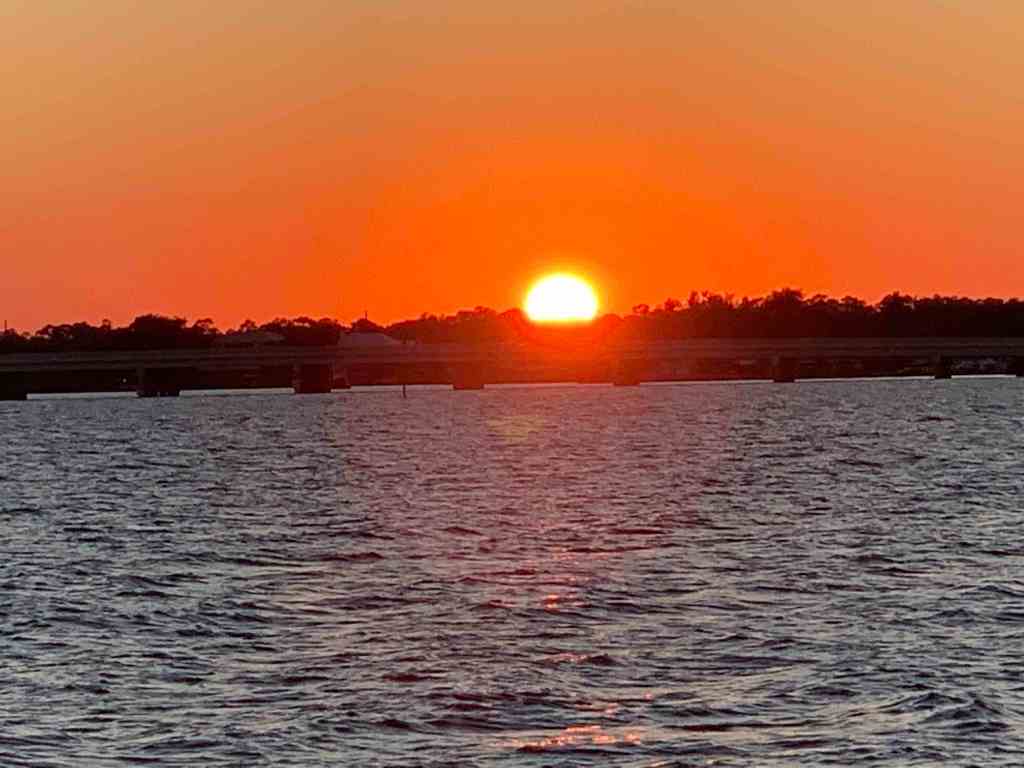
Back at the boat the heater was on and I quickly put the dinghy back on the flybridge and warmed up to an IPA 😉 That brings me to where I am now.. sitting in the pilothouse enjoying a beer or two. We’ll leave you with our sunset view — good night.

Wallop Island Sunset