Cape May and Beyond

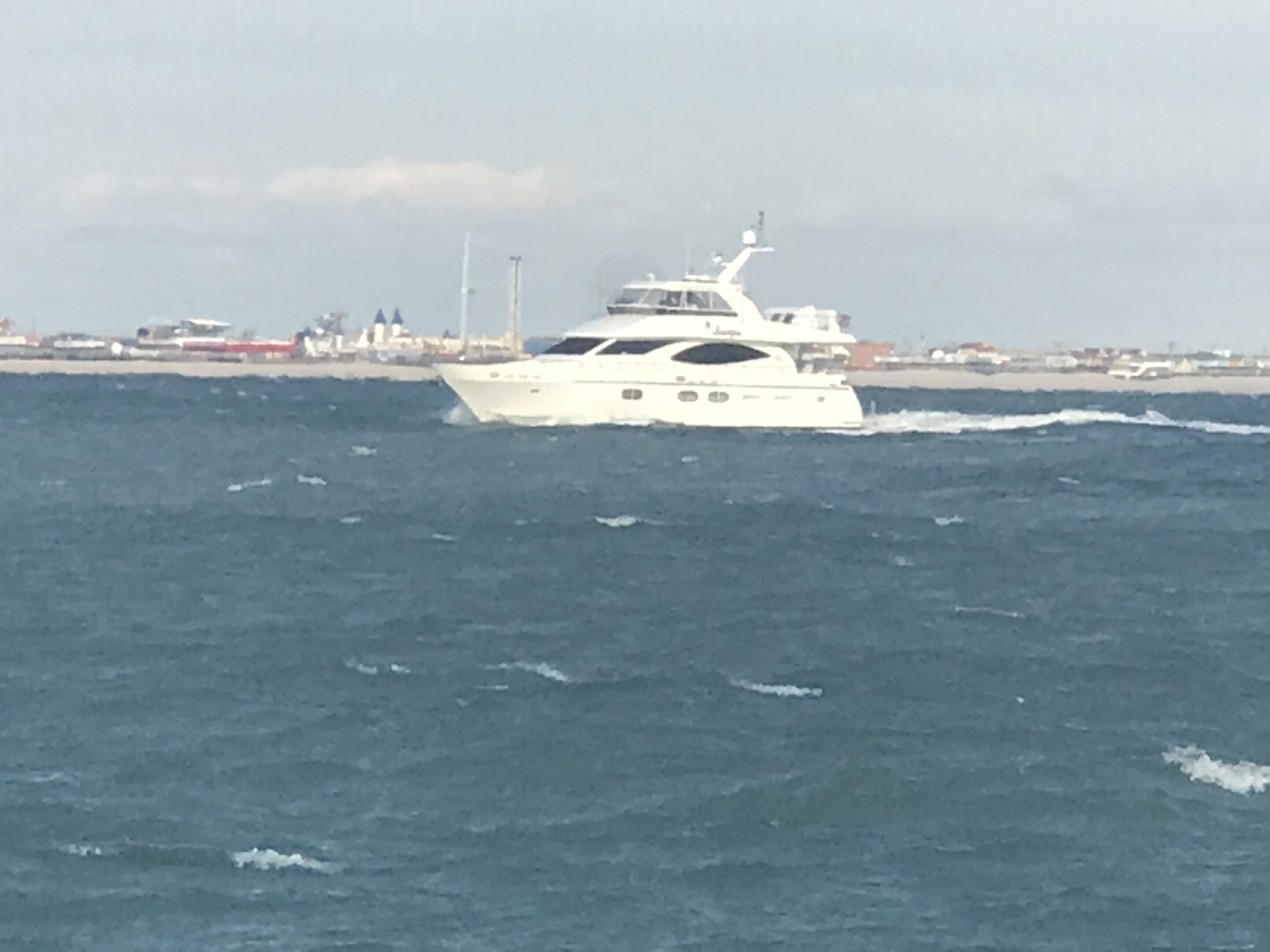
Leaving Atlantic City, the predicted forecast was for 4-5′ waves on our stern as we travel south to Cape May. Normally we wait for 2-3′ waves as 4-5 footers can be uncomfortable especially if they are on your beam. However, if we didn’t get out of AC on this particular day… the Atlantic zone between AC and Cape May will have waves in the 7’+ range which is nothing we wanted to travel in. So… Off we went…

The waves heights turned out to be OK and I grabbed a video of our bow wake as we headed out of Atlantic City.

We made good time heading south down the Jersey Shore. We increased speed to 12kts to add more stability to the boat.
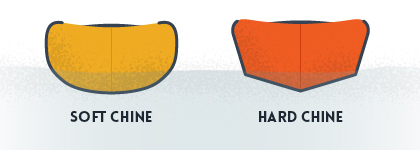
Like most trawlers or motor yachts Simple Life has a square (hard chined) hull when you move aft. This is very common as most boats have a sharp V shape under the water at the bow and those steep V hull sides slowly turn horizontal or flat bottomed as you move from the bow to the stern of the boat. This means that the where the sides of the hull meet the bottom of the hull in the aft (rear) of the boat you have a near 90 degree corner.

Have you ever stuck you flattened out hand into the water moving past you while on a boat? If you have, your hand was thrust up and out of the water by the force of the water hitting your hand. If you try pushing your hand deeper into the water it gets pushed back up even harder. As the boat heels to one side or the other… one side of the boat is forced deeper into the water while the other side is lifted out of the water. The faster the oncoming water is hitting the bottom of the boat on the heeled-side the stronger it feels pushed back up, This has the effect of reducing the heeling motion. Likewise the side of the boat that is being lifted out of the water feels less buoyancy force pushing it up by the smaller section of hull still submerged. The forces work to return the boat to level.

Righting Moments

If you take your captains class you will use a diagram like this with metacentric heights and righting moments. It’ll be a more formal discussion like the one found here.

https://en.wikipedia.org/wiki/Metacentric_height

Some times I just like to watch the prop wash that pops back to the surface after being pushed down by the boat riding over it.

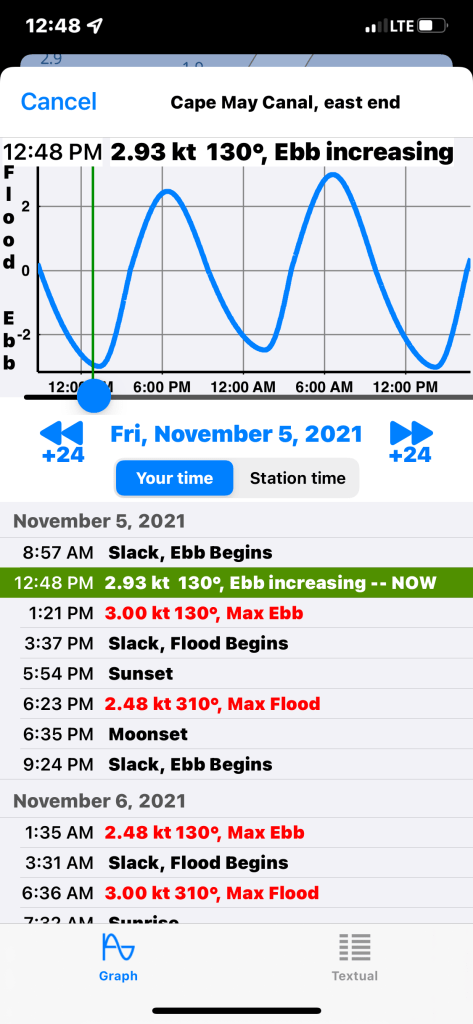
We were approaching the Cape May inlet and we already knew that we would hit the Cape May Canal as it approached maximum ebb current. Not much we could do about that other than throttle up and push through.
We exited the Cape May Canal and made our way up the Delaware Bay. The ride north up Delaware Bay was uneventful and we passed almost no other boat traffic. Soon we were approaching our chosen anchorage in the Cohansey River. We circled for a bit checking depths before we dropped the hook for the night. We were treated to an amazing red sunset.

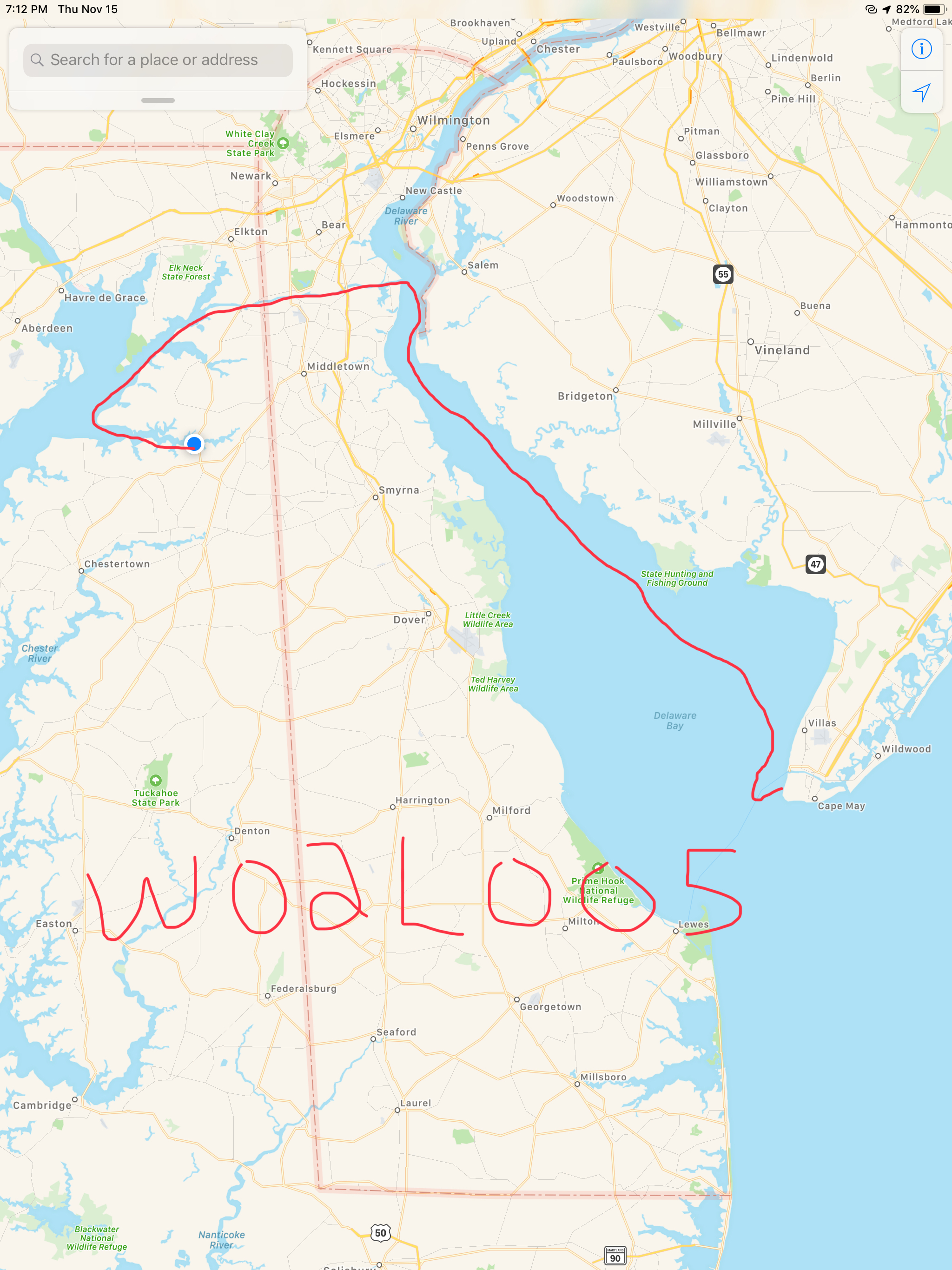
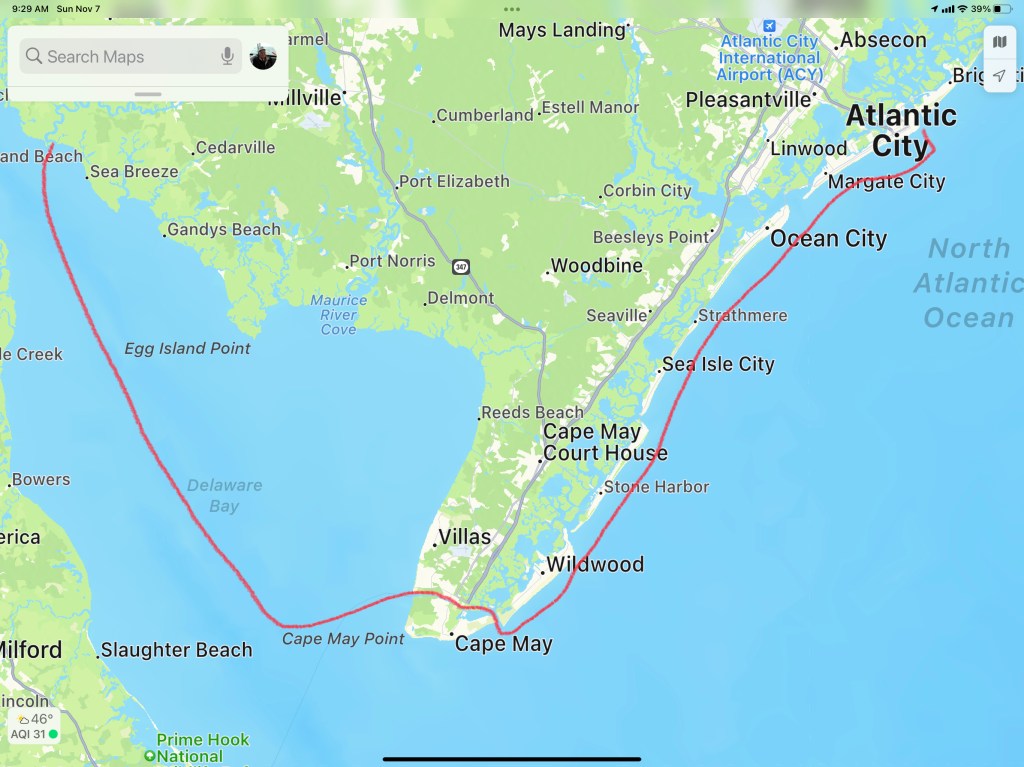
Our route for Winter 05 – Leg 006 looked something like this.
Gale Warnings, Snow, Sleet and a Beam Sea

We anchored in Cape May at night and the wind was whipping. We tried to tuck in behind the Cape May canal Jetty to get some protection but alas the boat was a rocking. 

I finally had to get out of bed, weigh the anchor and re-drop as close as I could get to the jetty. It worked. Well it worked a little. We did not sleep much. 

Next morning we left before sunrise because I just was not sleeping anyway. The gale warning winds were nipping at our heels as we worked our way North up Delaware Bay.

The blue dot is MV Simple Life and the red-purple are 30-40 MPH winds

A quick check on the weather back in Warwick, RI showed it was even colder than what we were feeling in Delaware Bay.

Warwick, RI Nov 15th Temps

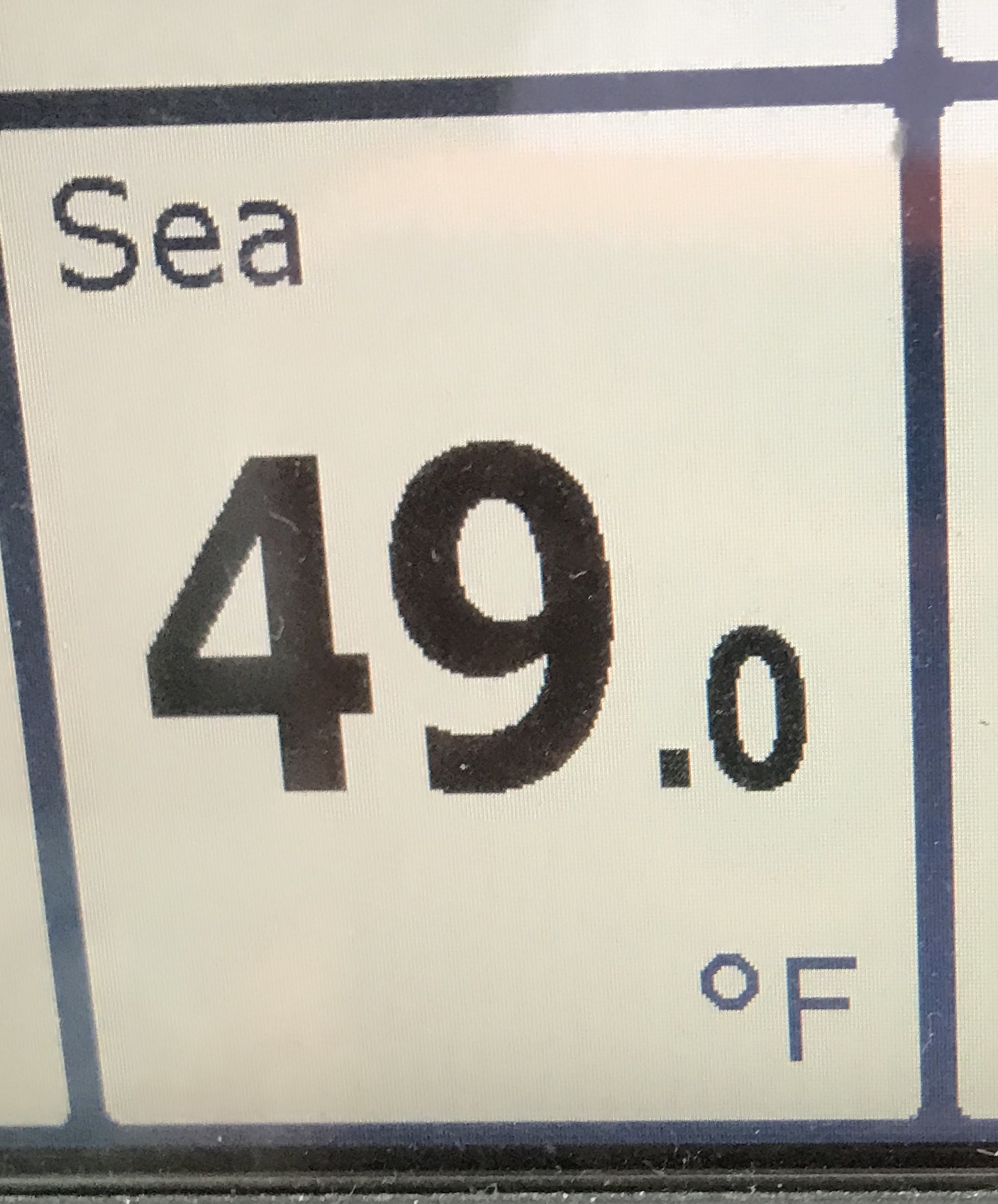
The water in Delaware Bay was cold. Not something you want to fall overboard into. 

Delaware Bay Sea Temp

Traffic was hard to find. This Chiquita banana container ship passed us as we slipped out of the channel to give her space. I think only 2 other boats passed us on this gusty, snowy, foggy day. 

Container ship passing us in Delaware Bay

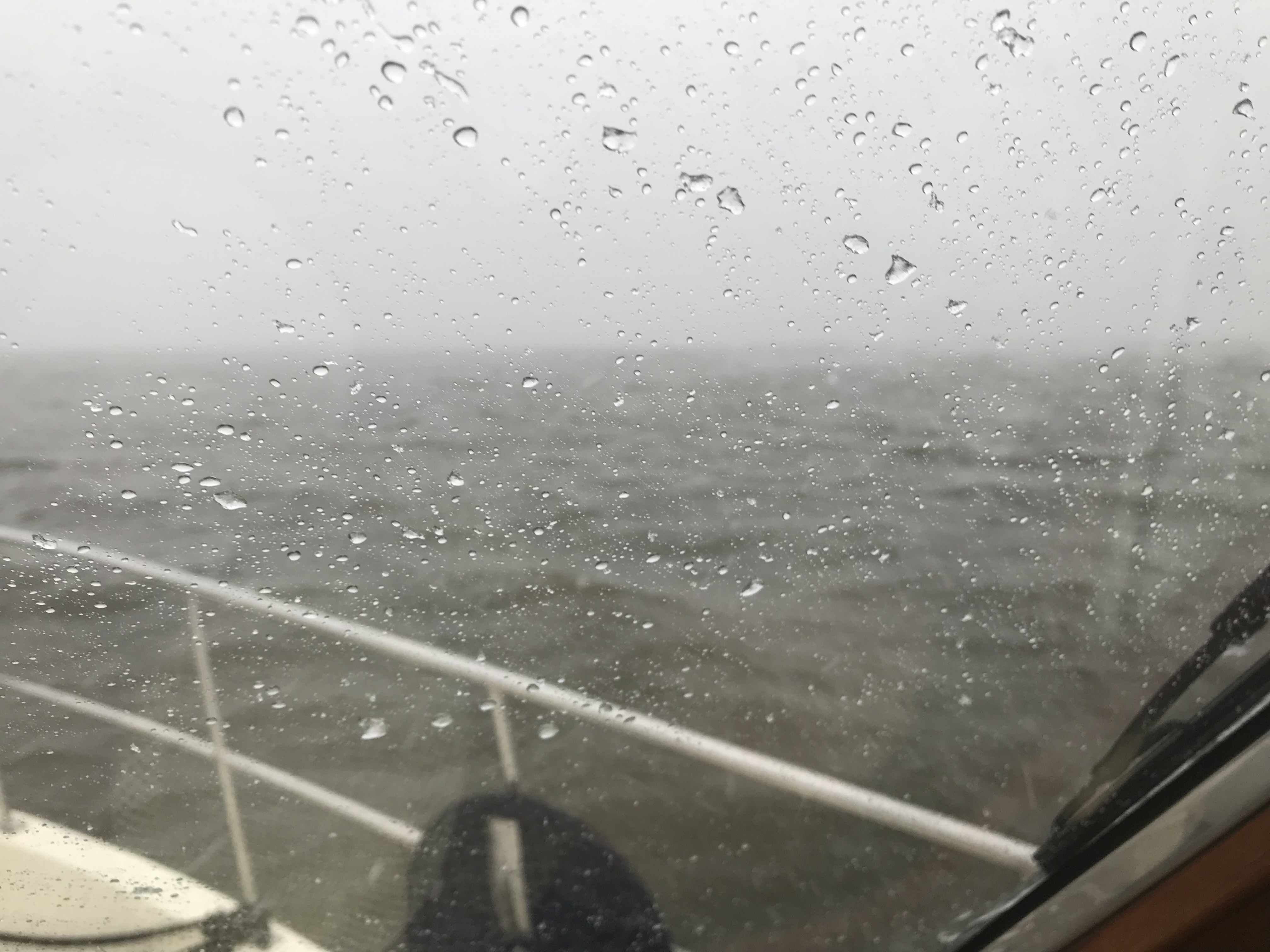
As we made our way up Delaware Bay the wind and waves were on our beam. The wind alone was giving us quite a list to port. A beam sea is never fun in a flybridge trawler with a 400lb dingy and two kayaks on the flydeck. eek.

Delaware Bay Early in the AM

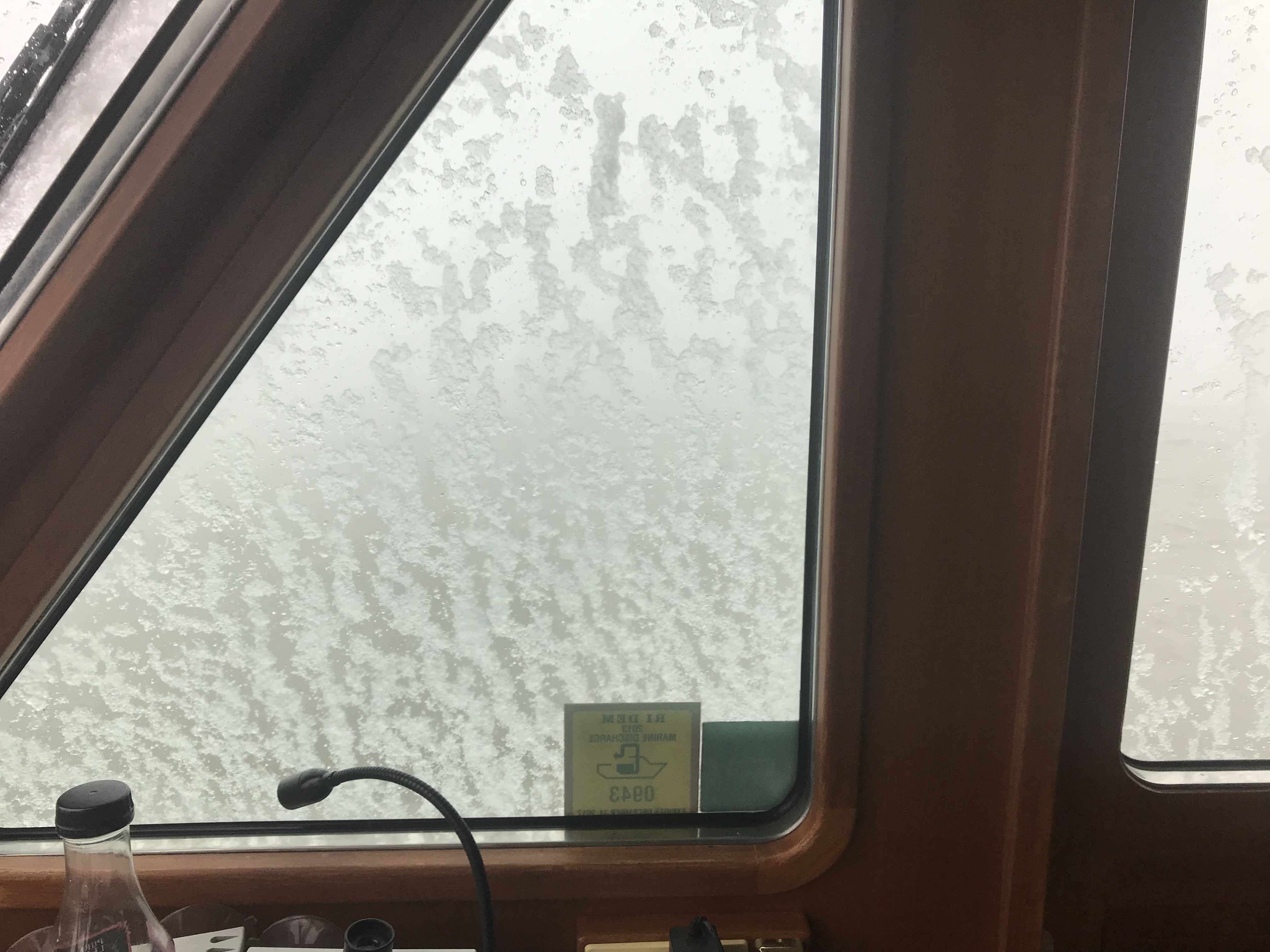
Soon we could hear the sleet bouncing off the outside of the boat.

Then came the snow…

Why didn’t I bring a snow brush on this Bahamas trip?

The snow brought with it FOG.

Fog starting to close in around us

As the fog crept in on us it was time to turn on our Khalenberg automatic fog horn. If you are ever near MV Simple Life in the fog you’d think a giant tanker was bearing down on you. What made me laugh was… it stopped working in the freezing snow. With each blow of the horn it iced up more and more until it just stopped working.

Wind on the beam, Fog closed in around the boat Fog Horn wasn’t frozen yet.

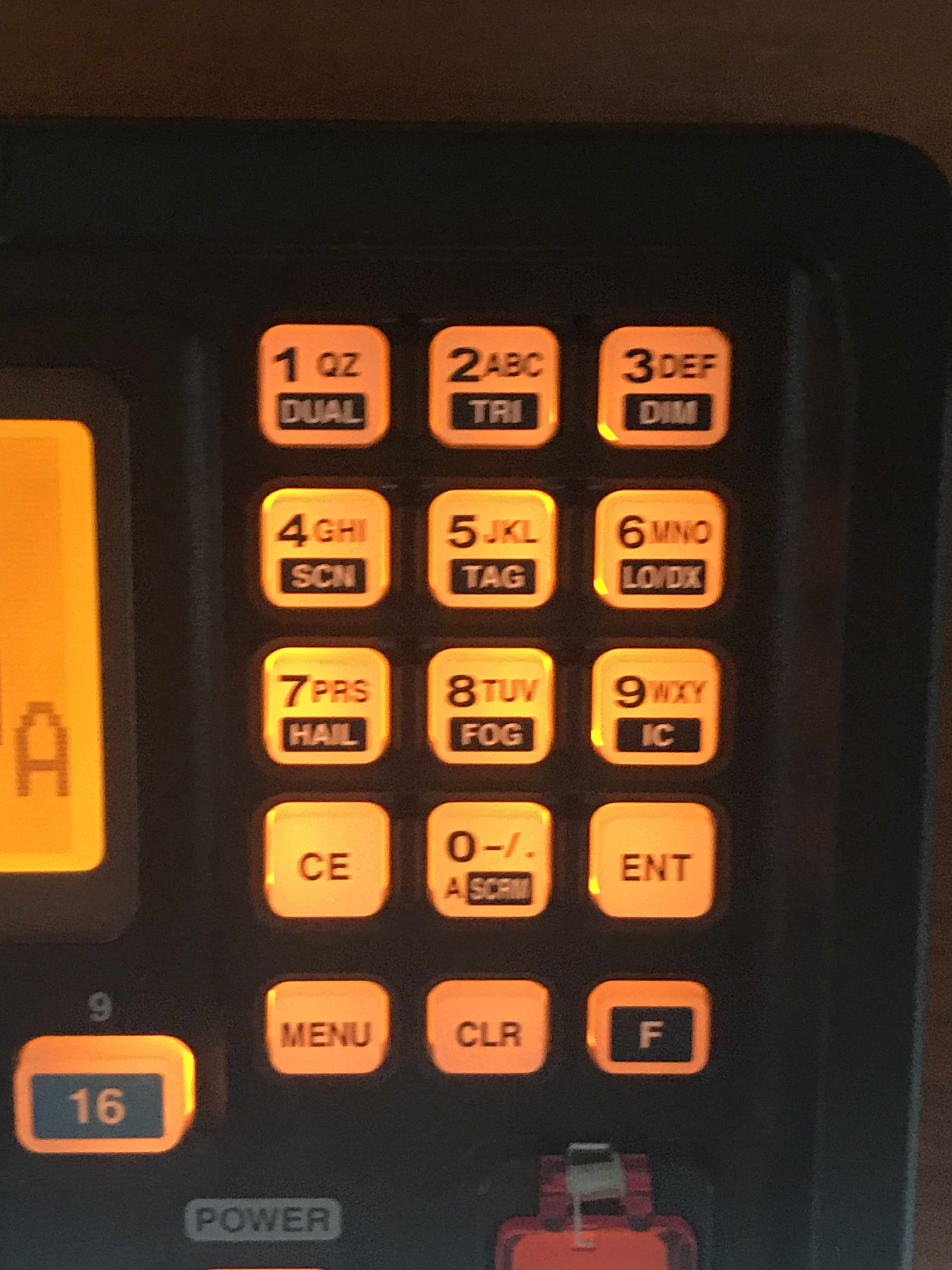
Once the Fog horn froze up and stopped working it was time to go to my backup fog horn. Yes, my VHF’s loud hailer fog horn played but in the wind and snow I’m sure nobody was hearing it. Heck, there wasn’t another boat out on this day anyway. 

Function + 8 plays the ICOM VHF fog horn

The fog had closed in so tight to the boat that we could only see a single boat length in any direction. Thankfully, we have a 4′ open array Digital HD radar with overlay right on our chart plotter that helps us identify boats from buoys. We also rely heavily on AIS (Marine Automated Identification System) to make sure we show up on the chart plotters of other boats as well as us having all the details about the boats around us (boat name, course, speed, MMSI#, etc.

We soldiered on with the idea that once we made it into the C&D canal that the weather conditions would improve. They did!

The visibility returned and the winds and waves were held at bay by the high canal hill sides. 

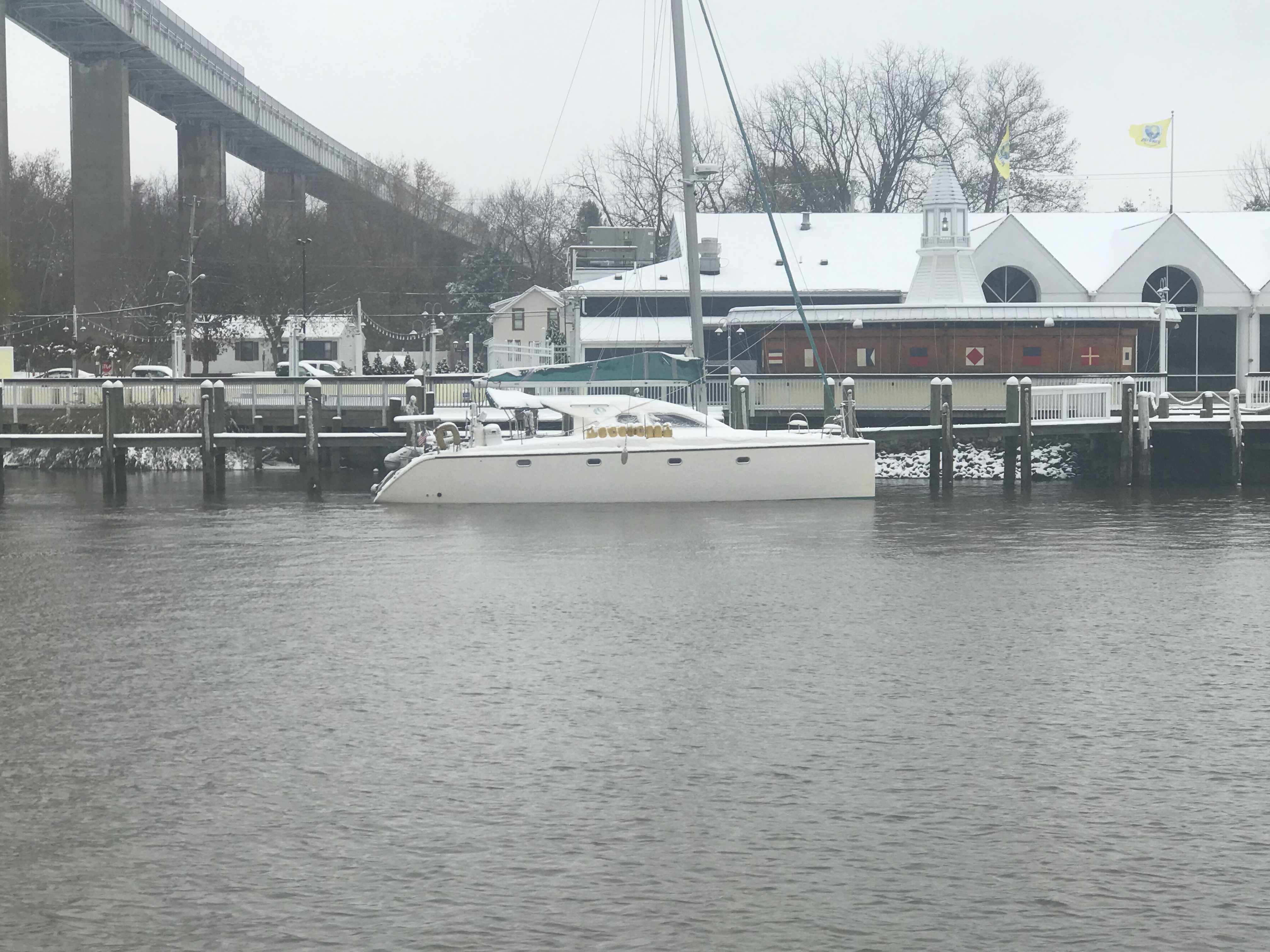
Soon we were passing marinas where the boats were covered in snow. 

Snowy Catamaran

When we exited the C&D canal into the head of the Chesapeake Bay the wind was whipping up a following sea so we decided to anchor in the Bohemia River. Great plan until the depth alarms went wild when the depth dipped below 6 feet. This was not good concidering we were only minutes away from high tide. Not wanting to run aground or get stuck waiting for high-tide to return we decided to push on further to the Sassafras River.  

The sun set and we watched as the last light disappeared as we entered the Sassafras River. It’s a long trip up the river to the Granary Marina but we decided with the strong winds and rain it would be nice to sleep tied to a dock. Neither of us wanted to spend another night trying to brace ourselves in the bunk. 

The dockmaster left for the night and left us directions on how to find our assigned slip. That plan failed when we could not find our slip using our searchlight. The wind and the rain were coming down sideways and driving from the pilothouse in the dark is not a place you want to be poking down random fairways trying to find a slip. So we decided to grab any open slip and call it a night. 

Docking alone in that wind was difficult enough but when I jumped out of the pilothouse to tie up I almost slipped on the snow and wound up going swimming. 

My boat hook was buried in snow

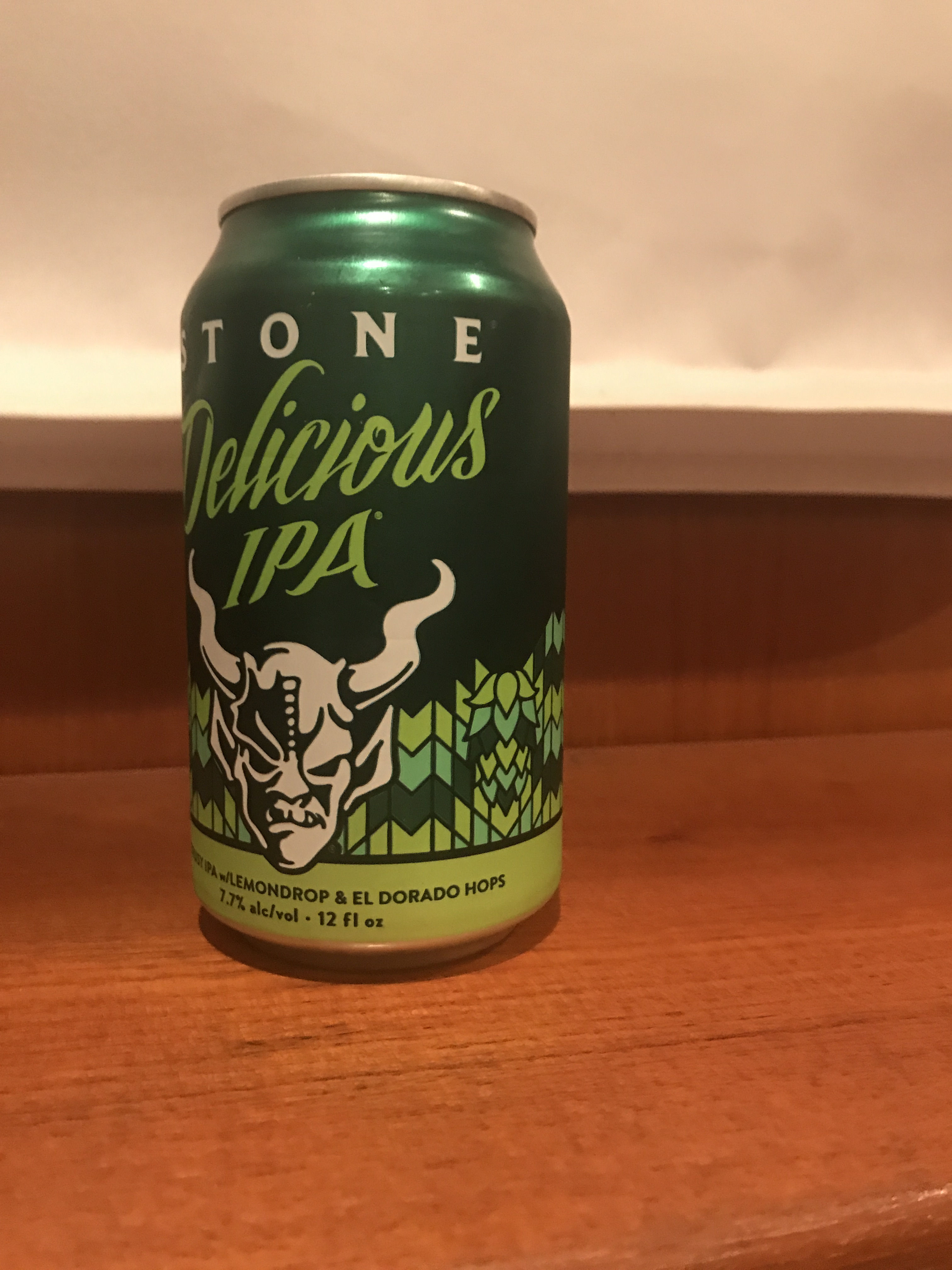
Soon we were tied up and I was changing out of my work pajamas, kicking my snow filled crocs off my frozen feet and thawing my toes by the heater while enjoying a well-deserved IPA

After 13 hours at the helm, this IPA tastes great 😉

This leg of our trip is pictured below.

Winter Season #2, Leg 005

Delaware Bay – via Cape May, NJ

Dogs smell them some Maple BACON!

Well exited the Manasquan River right at slack tide which is good for reducing the currents when trying to squeeze through the narrow railroad bridge as well as the rip at the mouth of the inlet.

Manasquan Inlet Slack in 7 minutes
NJ ICW Mile 0

As we headed out the Manasquan River we looked back and saw Point Pleasant canal which is mile 0 or the start of the NJ ICW (InterCoastal Waterway).The NJ ICW ends in the Cape May entrance channel. 

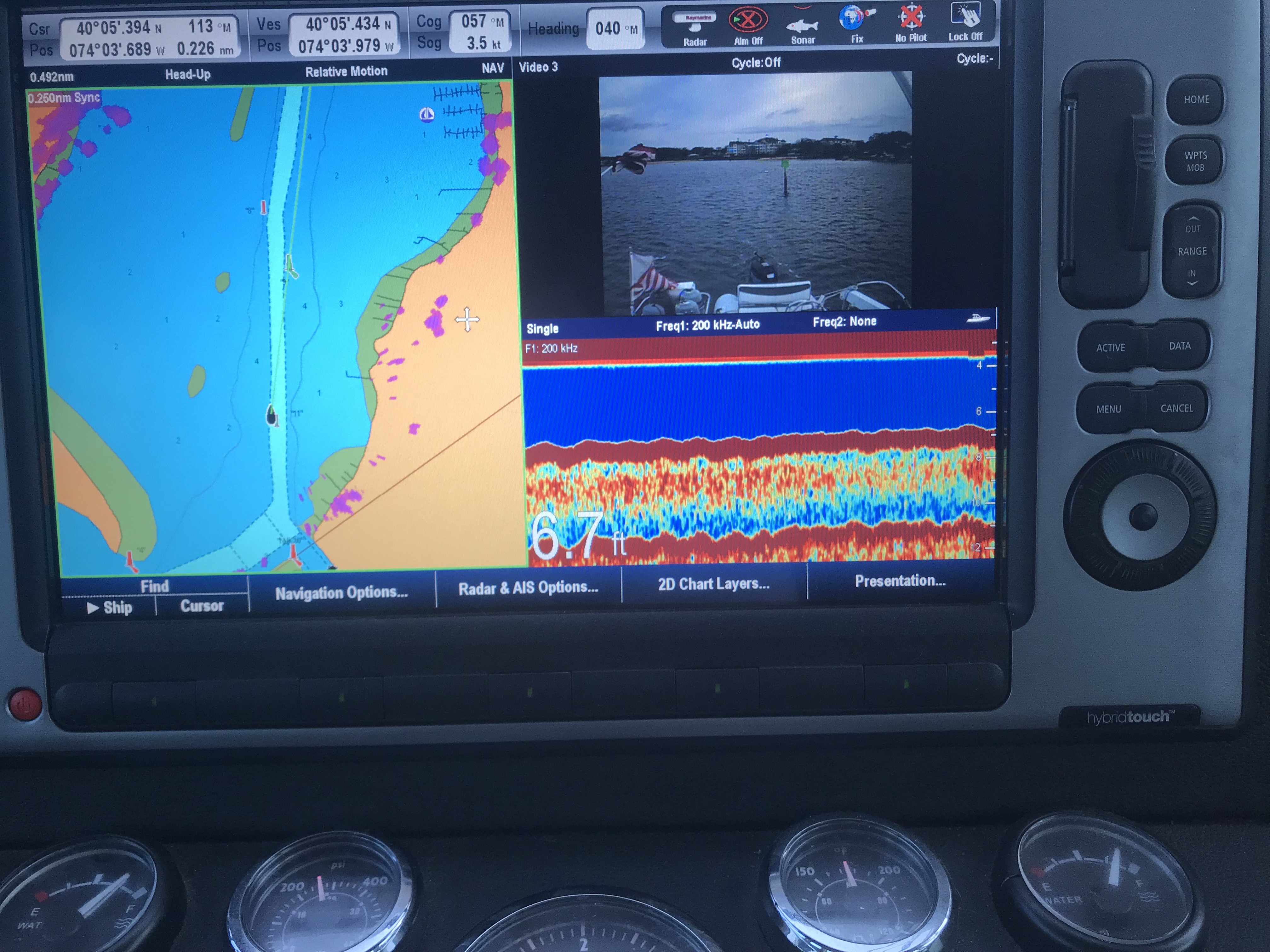
Notice the 6.7′ depth 

As you work your way out of the Manasquan River be careful. My charts don’t line up perfectly with the channel’s actual location so follow the daymarks and temporary buoys and cans that are in place. 

There are two bridges on Rte. 35 and the other is an automated railway bridge. 

Approaching Rte 35 Bridge

The Rte 35 bridge gets shallow just as you are about to pass under it. So when your low water alarm goes off don’t break your focus and stay straight going through. 

 6.6′ depth just as I’m passing under it.
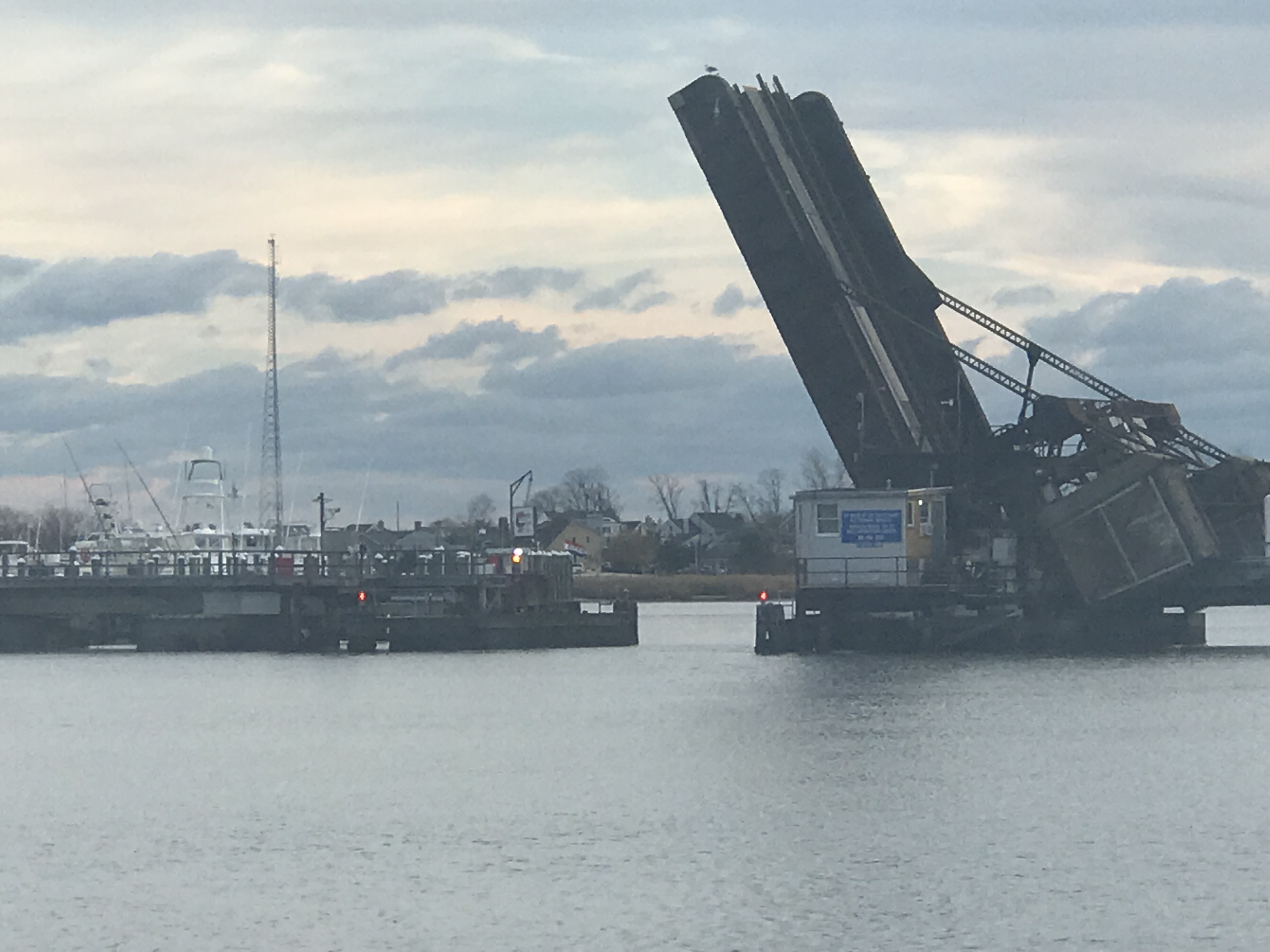
Normally open Railway Bridge. I heard the opening is only 48′ 

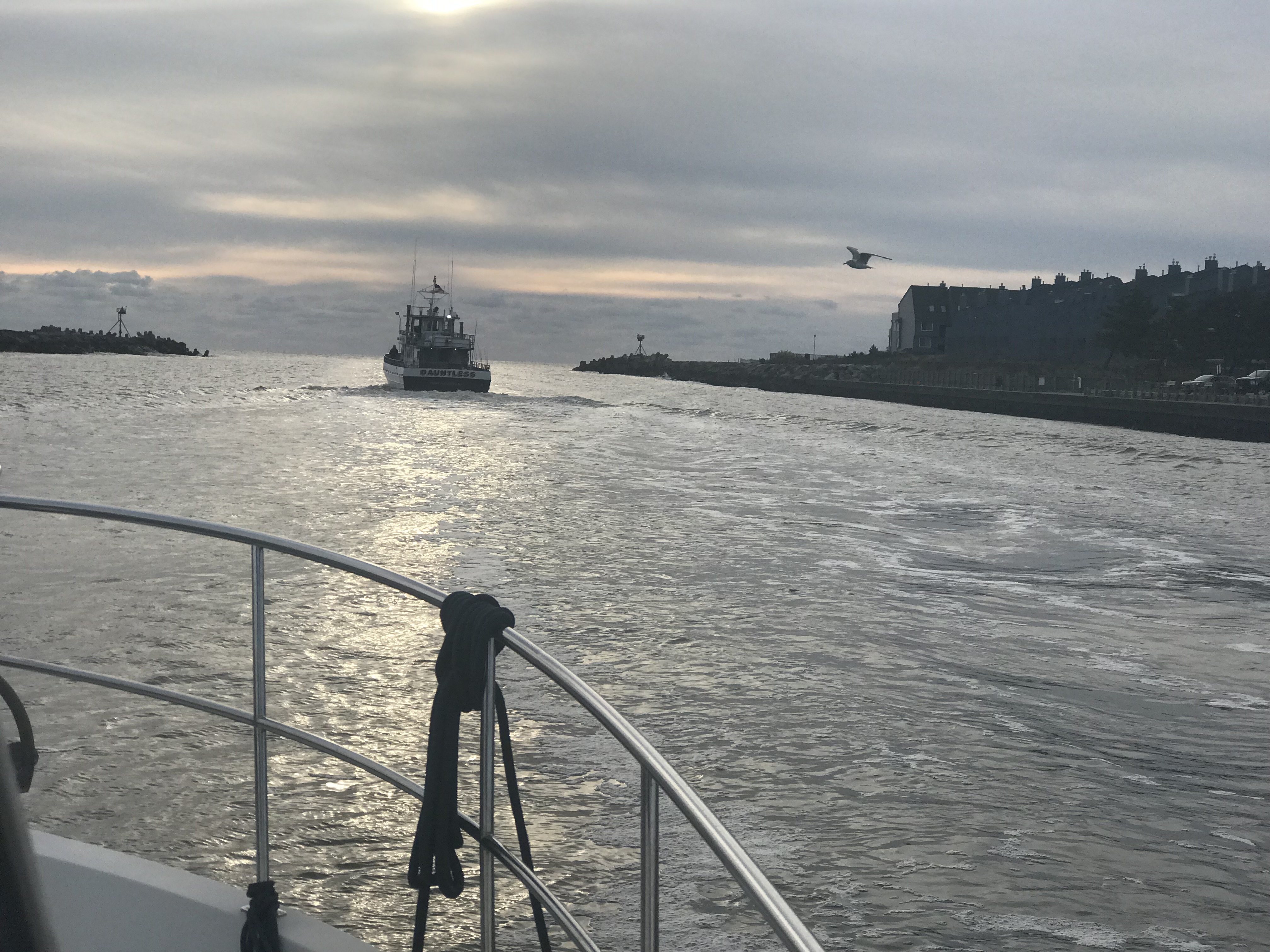
Soon we were at the inlet to the Manasquan River and we exited into the Atlantic.

Manasquan River Inlet – Leaving

There were not many boats out on the NJ coast. It is mid-November after all. 

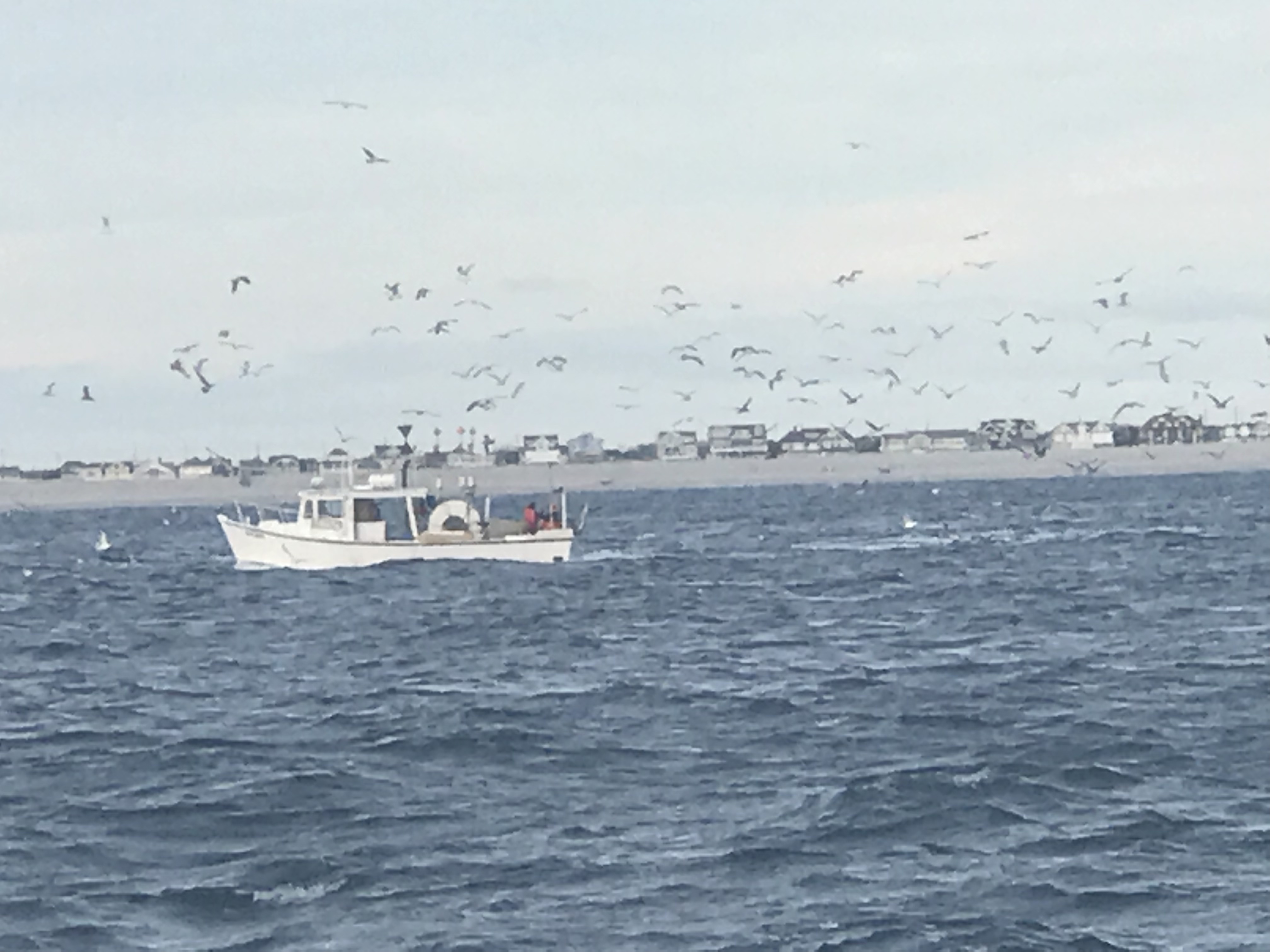
However this FV (Fishing Vessel) Webo looked like a scene from Alfred Hitchcock’s “The Birds”. Soon I found him piloting real close up the back MV Simple Life and I swear he did it to infect us with his flock of sea birds. As he pulled away the flock split and half seemed to follow us. Kelly’s not a real fan of birds something about getting caught in her hair or something … so I just did not let her know that the birds were surrounding us. 

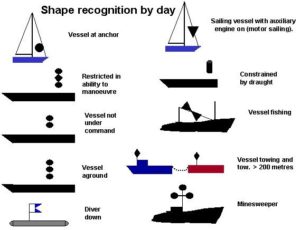
I could not help but notice that FV Wevo was using dayshapes to let other boaters know he was engaged in fishing. Two black cones, point to point in a vertical lines designates this. 
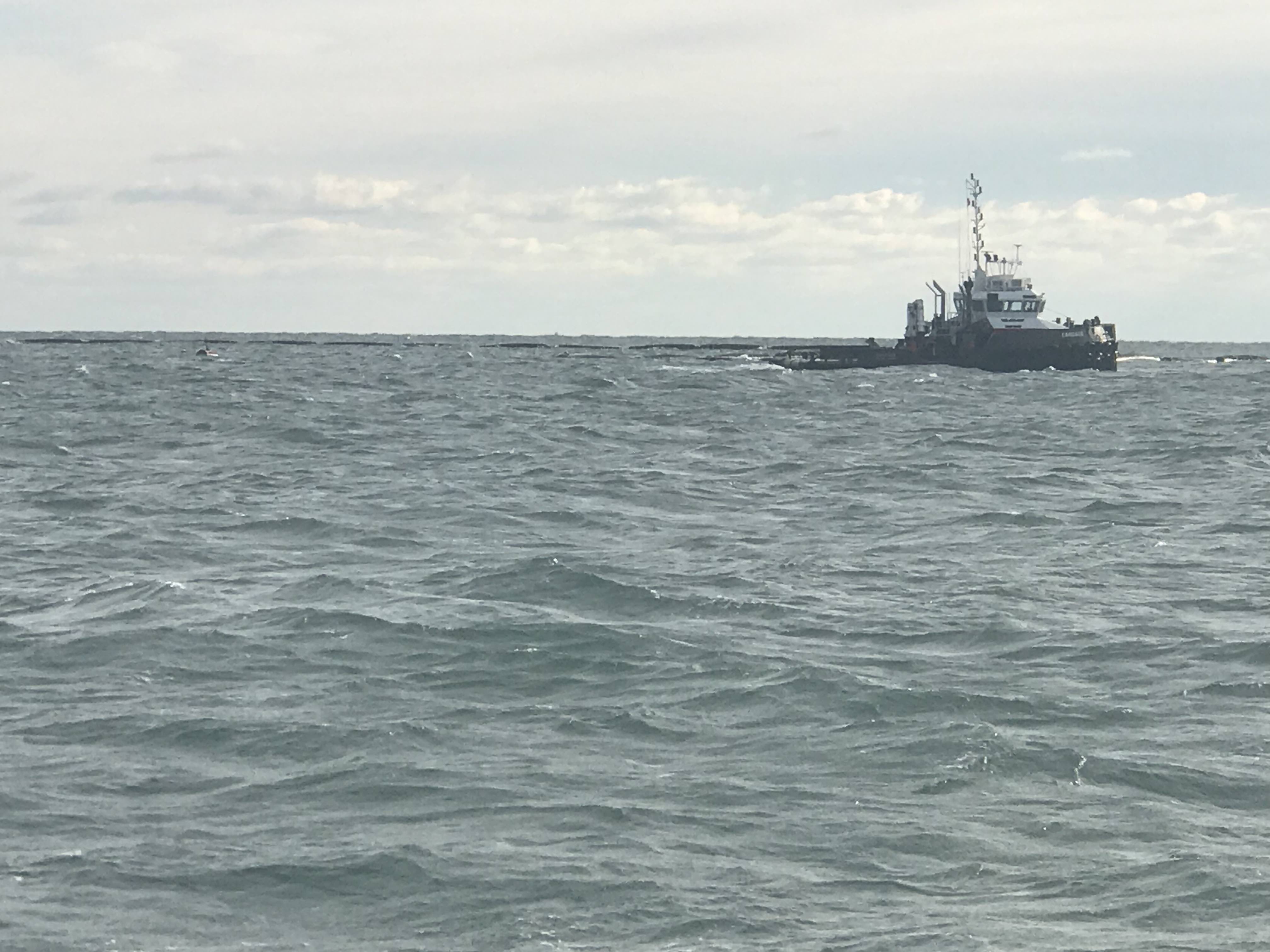
We also passed a fish farm or tug towing a fish pen. You need to be careful of running into these at night. 

Tug towing a fish pen

We did see one other snowbird racing south. MV Scorpio passed us doing about 11 kts compared to our 8 kts. 

This drum hazard snuck up on us and we had to adjust course to avoid hitting it. I don’t believe it was lit so keep a good helm watch at night.

Hazard Drum

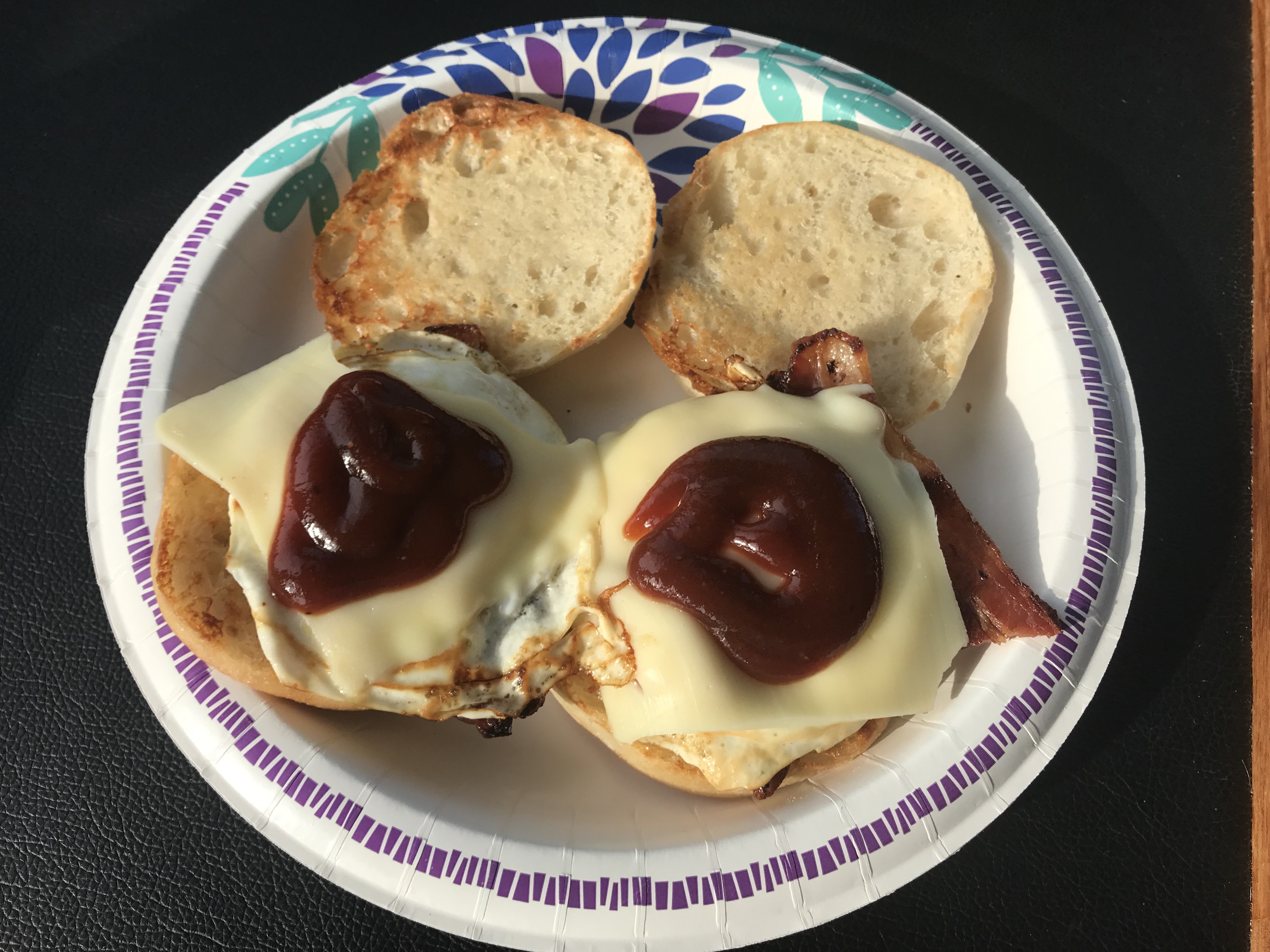
Kelly is great about cooking while underway and delivered two hot bacon, egg & cheese muffin sandwiches to the helm.

Yumm

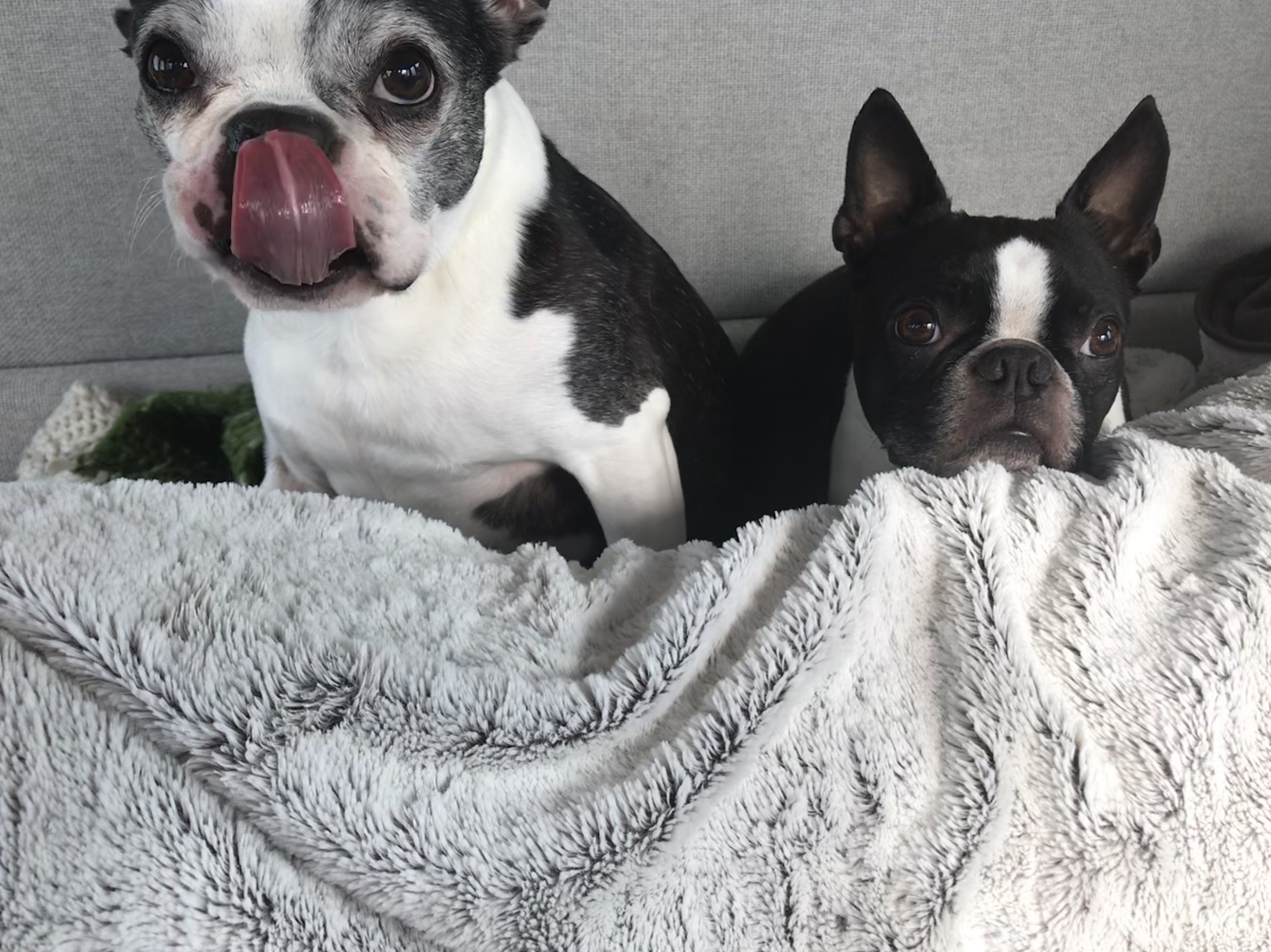
Even the dogs were licking their chops

Happy Smells Maple BACON!!

We passed Atlantic City on our way to Delaware Bay.

Atlantic City

Soon the sun went down and the overcast sky made for a dark night on the water. 

We could start to see Cape May on the horizon. 

Cape May on the Horizon

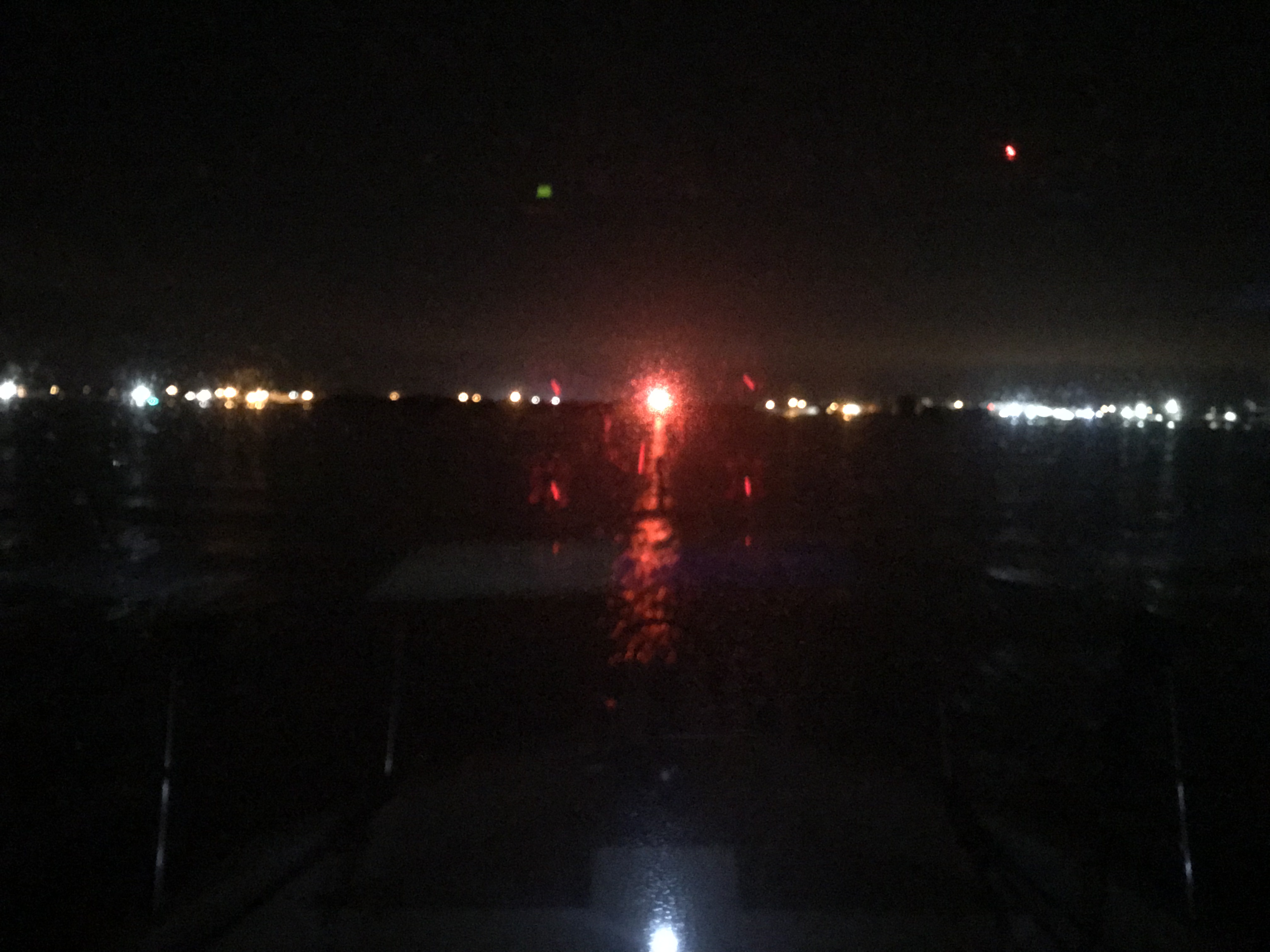
When you work your way into the Cape May inlet they provide a nice red range light that you can use to keep your boat positioned in the center of the channel. 

Red Range Light

You can see the split in the entrance channel and the range marker right at the split.

My heading line splits right through the range maker

Once in Cape May Harbor we worked our way straight through and out the Cape May canal to Delaware Bay. We anchored for the night just South of the Cape May Canal jetty. A bit of a lumpy anchorage in this wind and chop but we’ll be gone at sunrise as the stormy weather is nipping at our heals. 

Tomorrow’s forecast has 30-40kt winds were we are anchored tonight.
Today’s Leg about 100 miles. W02L004