

Before leaving Osprey Marina I figured I ought to get some Simple Life maintenance done.
I pulled back the rug and removed the teak & holly access panel to expose my Cummins 5.9L QSB diesel. You can see the hose dropped down into the engine room so that I can clean the bilge.

Sitting in the engine room doing maintenance was hot so I decided that I would use up any non-IPA beers in the bottom of my fridge.

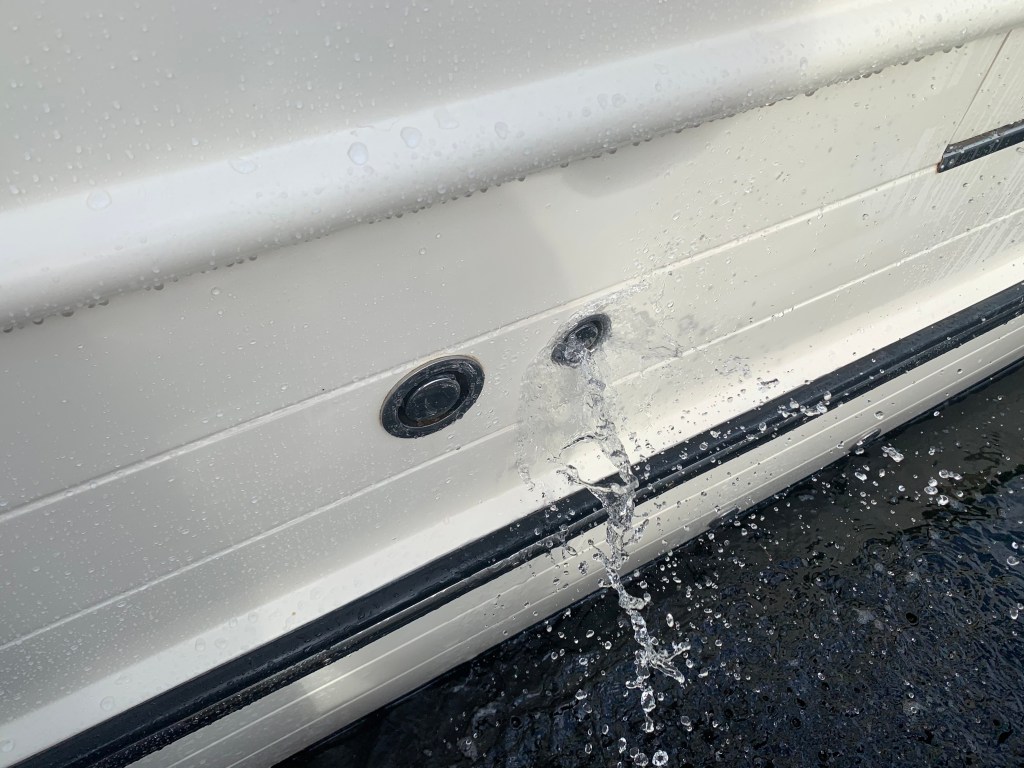
Simple Life carries 340 gallons of potable water. Depending on use, that should last a month but might as well fill the tanks while I’m at the dock. When I fill my water tanks I like to use a portable water filter from Home Depot. I also overfill the tanks so that water is pushed out the breather tube. Any tank that you fill must have a breather to allow the air being replaced to escape and on boats that tube exits on the outside of the boat high enough so that when the boat heals over you don’t have seawater intrusion. Little flying things can attempt to enter the breathers so flushing them with each fill is a good idea even though multiple filters catch anything in the tanks.
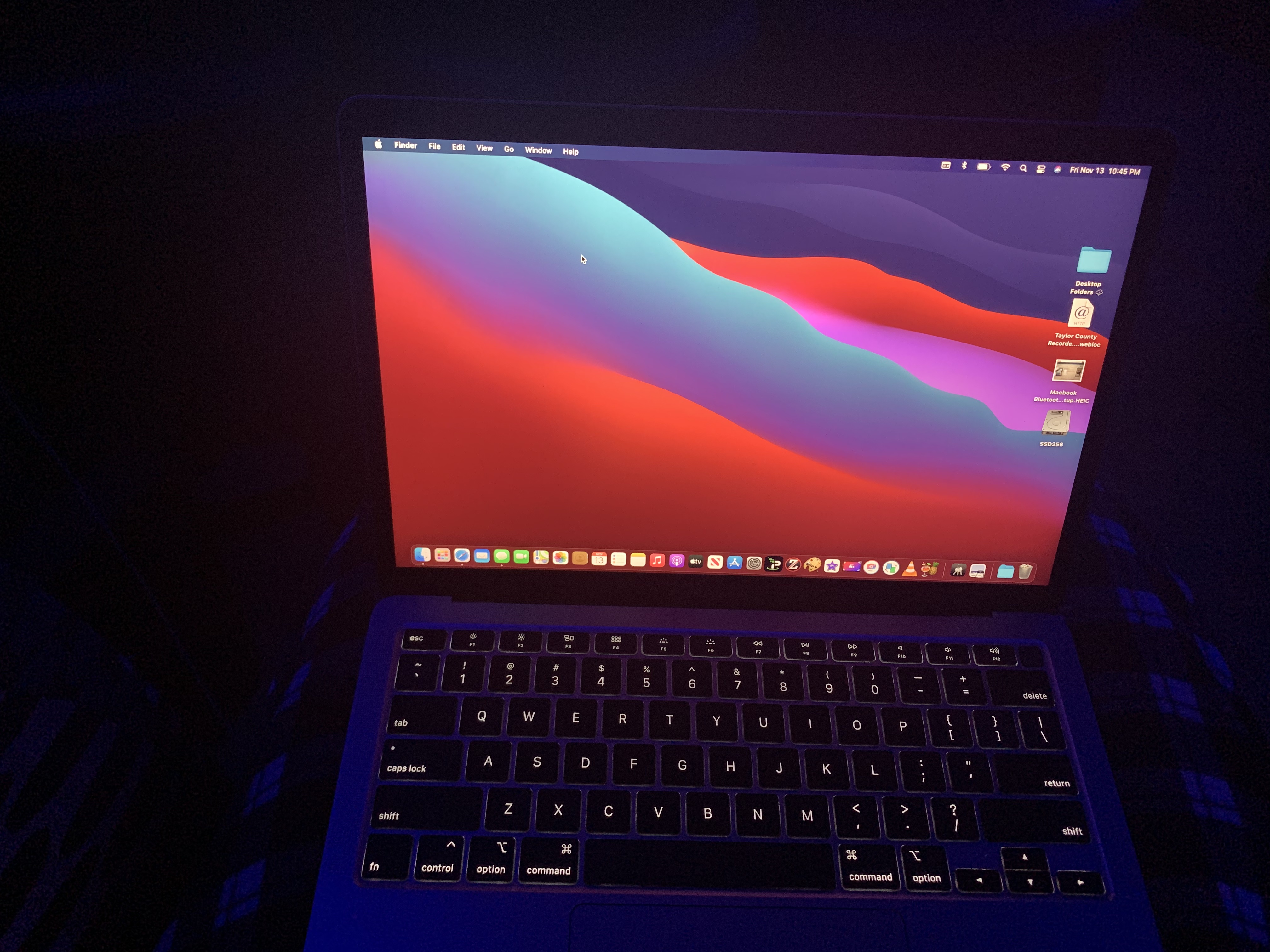
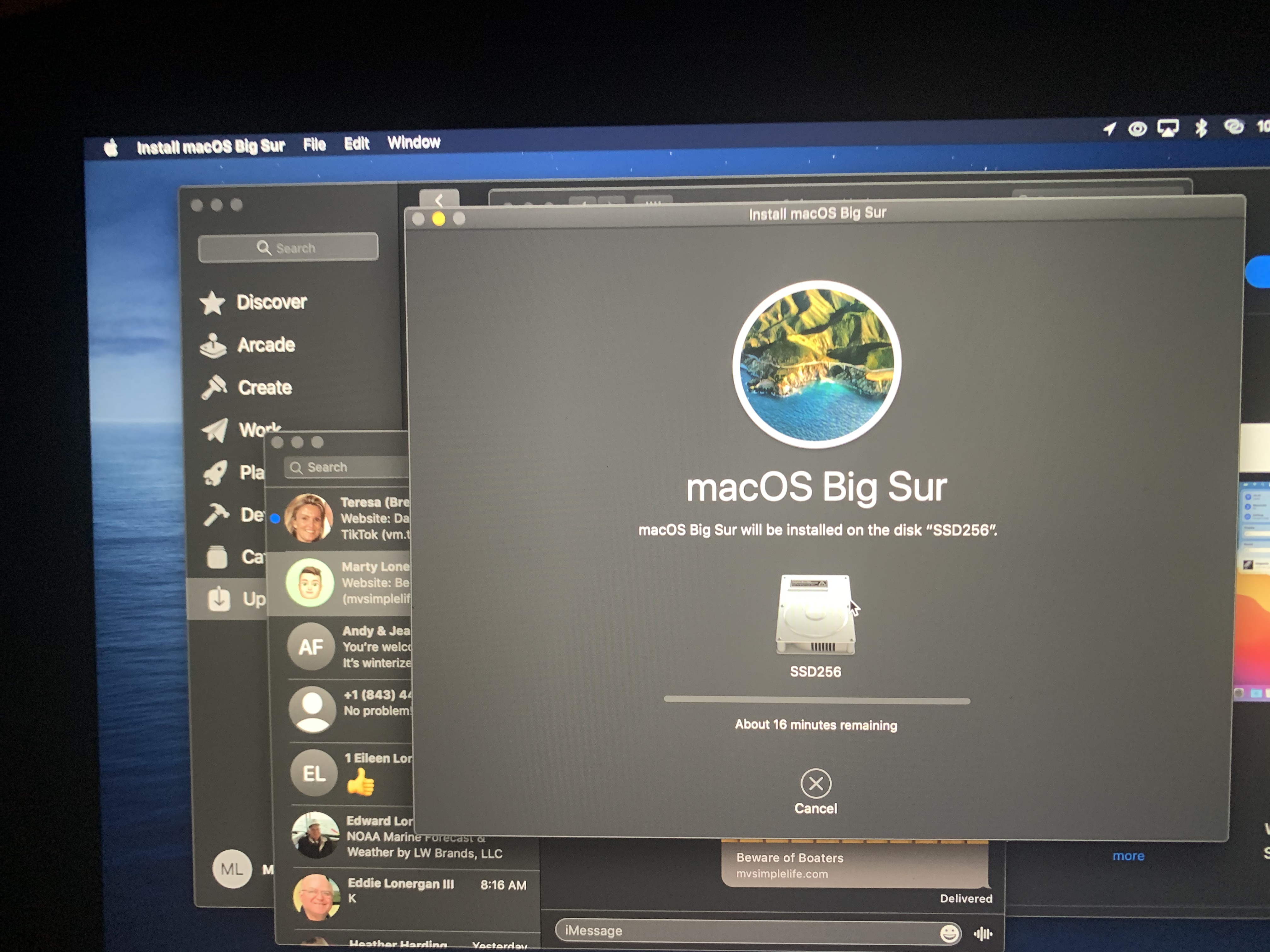
Along with boat maintenance I was upgrading my MacBook Air to Big Sur. If you are a Apple Mac fan you know Apple just announced their new line of Macs that run on their new Apple silicon processors. This is big news for apple and will align their Mac computers with iPhone and iPad which already run Apple silicon. Why is this important? Well for starters iPhone and iPad apps which were written to run on Apple silicon can now be run on Mac computers to make Mac users like me happy that we can use similar apps across the three different platforms.
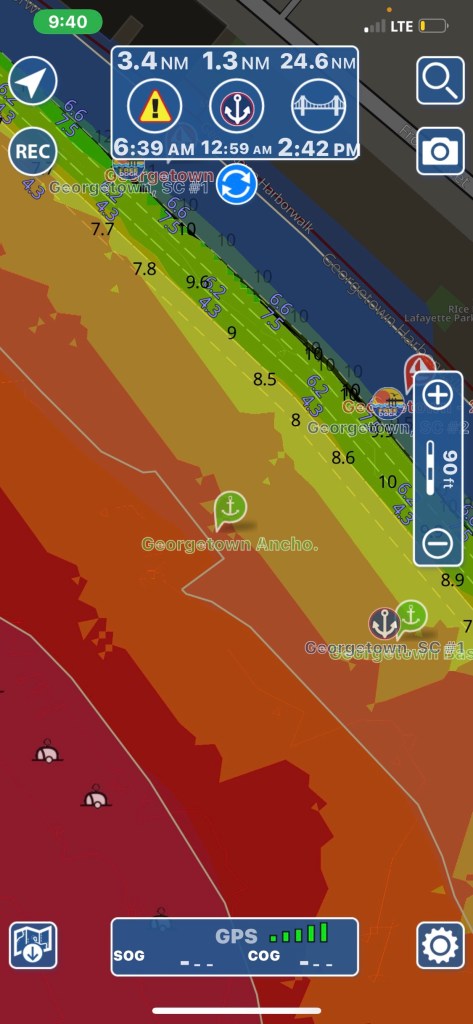
Before taking off I sat down to plot my next leg of the trip. I generally plan for 50NM each day. That is a very conservative estimate as I often run 80NM / day or more.
I decide to anchor in Georgetown, SC. I have always wanted to visit Georgetown. A quick check of the harbor shows several anchorages in very shallow water.
I untie my lines, jump aboard and put her in gear as I say my goodbye to Osprey Marina. Traveling south down the Waccamaw River, I pass marinas as well as people just pulling up to the banks to party.
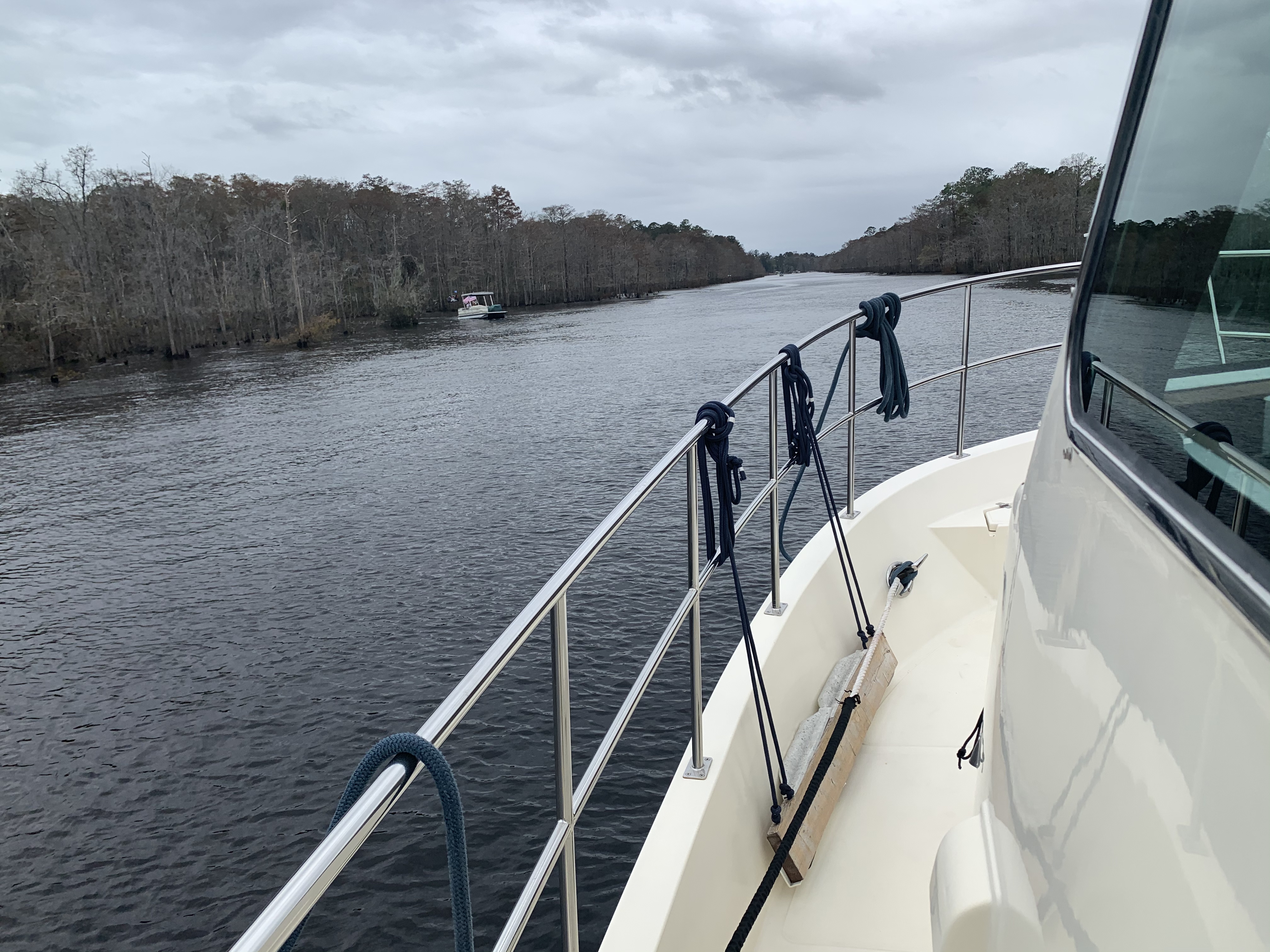


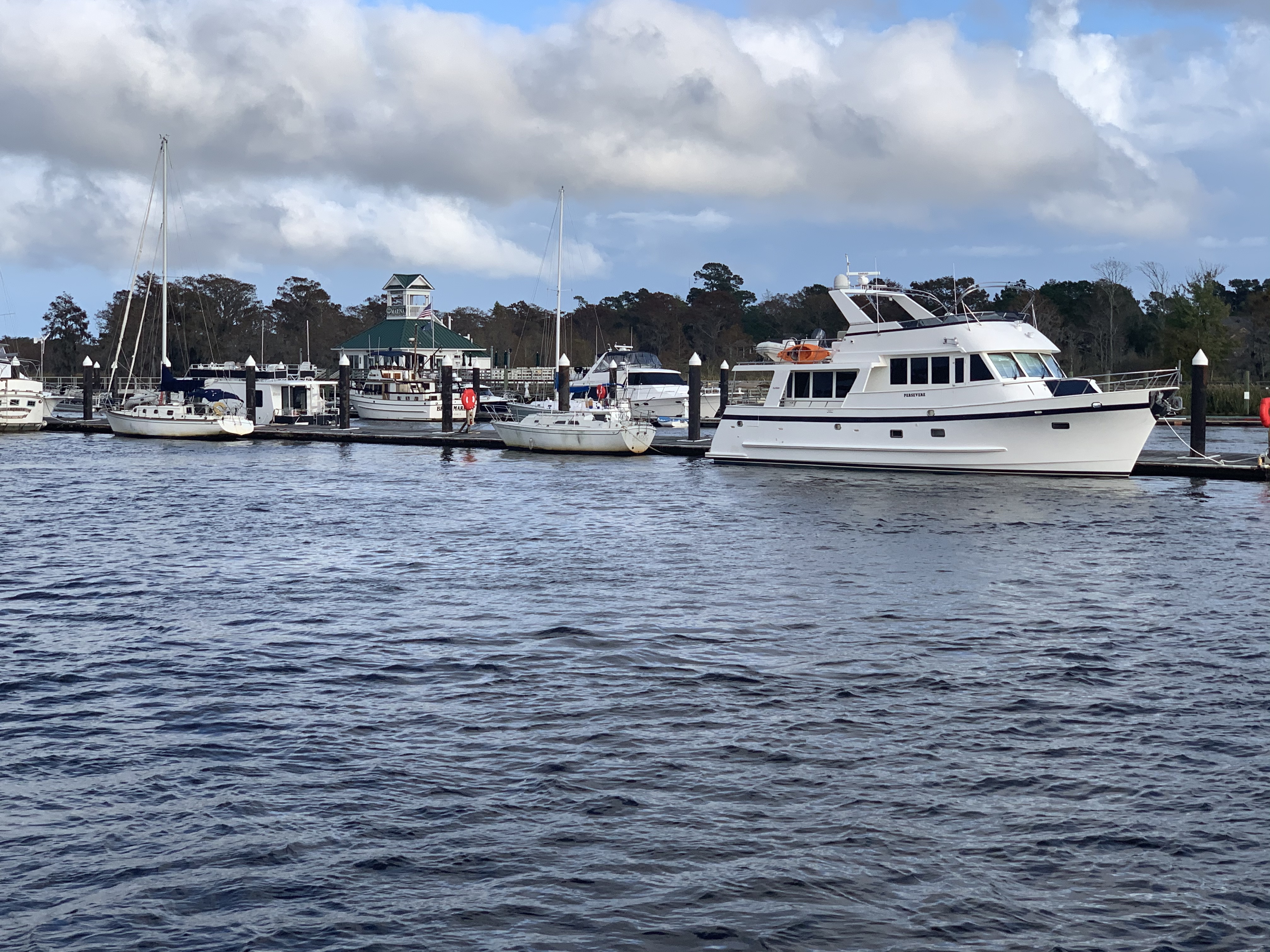
The Waccamaw River is deep and the current (seen pushing over the no wake buoy above) is pushing me along at 7.8 knots. It’s raining but I enjoying the day in the pilothouse.
As I pass under Ocean Highway Bridge the entrance to Georgetown will be on my starboard side.
You can see the position of the sun in the video above and there is still more time in the day. I start thinking… Maybe I’ll push on and find an anchorage further south down the ICW?
I push on through Winyah Bay until the sun sets.

I settle on an anchorage just before the ICW takes a 90 degree turn leaving Winyah Bay. The anchorage is protected by a small, low island called Middle Ground and ithas plenty of water and swing room.

This anchorage is large for the ICW and several sailboats have already dropped anchor.

My plan was to anchor here for the night before heading on to Charleston, South Carolina. However, plans are made to be broken. I instead do a quick check of the weather offshore and decide to make a 36 hour run offshore to St. Augustine, FL. This long voyage will skip over the rest of South Carolina as well as Georgia and the very northern part of Florida. Georgia passed an anchoring law last year with draconian rules about where you can anchor. Some people just don’t like boats anchoring anywhere near their waterfront homes. Skipping Georgia has the side-effect of avoiding all their confusing anchoring laws.
I prepare my route for the next day. I add a lay line run straight from Winyah Bay, SC to St. Augustine, FL. I notice the sea is expected to be 3-4′ waves and increasing to 5′ over time. I add a second direct route to Saint Mary’s Inlet right at the GA/FL line. If it’s nasty I’ll know it pretty quickly and I’ll divert to this shorter route. I also plot out routes going in each navigable inlet as premade bailout routes incase anything goes wrong. Doing long solo offshore runs you need to be prepared incase I injure myself underway and need to get back inland quick.

The math for the St. Augustine’s run looks like this.
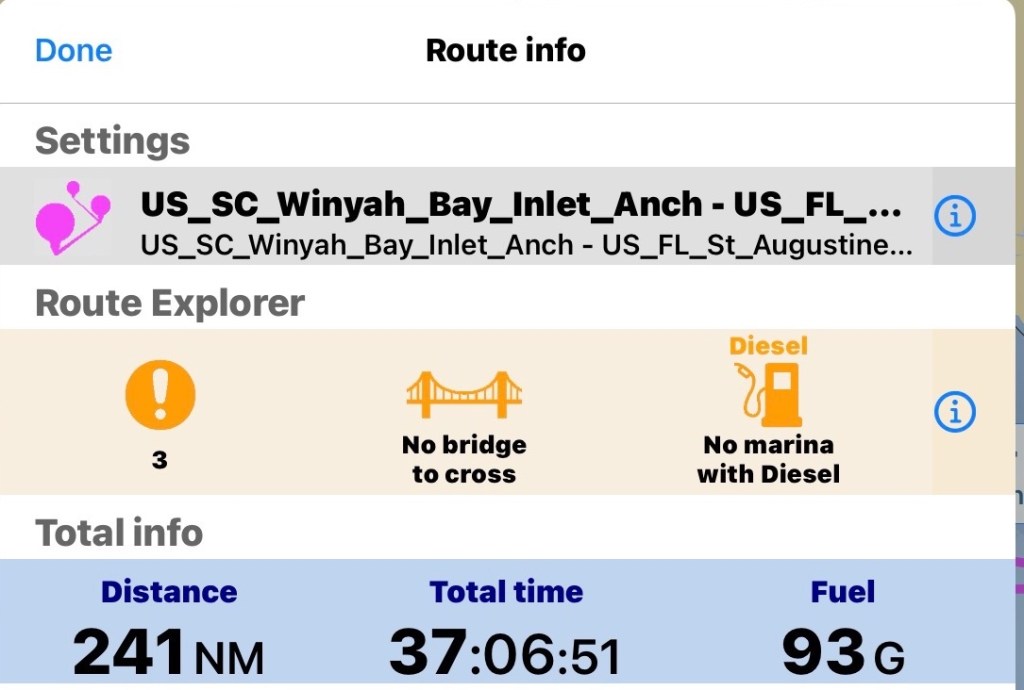
I do a check of the currents leaving the Winyah Bay Inlet and find that if I don’t want to fight the 7:14AM Max flood current getting out I better leave soon after the 4:38AM start to flood.

We just had a new moon tonight so navigating tomorrow morning, you won’t get any help from the moon.

I settle on a 5AM weigh anchor time and decide to navigating the inlet in the dark is better than waiting till first light and fighting the current to get out.

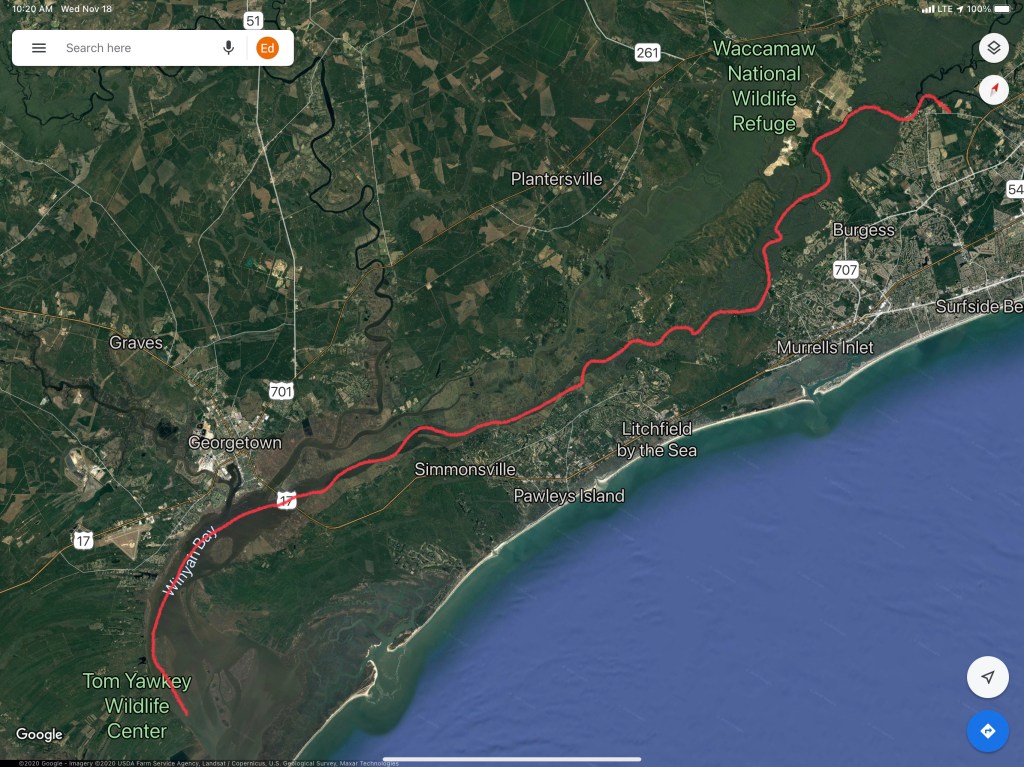
This leg of the journey looked something like this…
 MV Simple Life
You must be logged in to post a comment.